
 Upgrade plan
 Cancel plan
 Settings
 Change Password
 Contact Us
[NY] Can misleading claims by a certification training program support a fraud or false advertising claim?
 23
23
 7
7



Full conversation
I am seeking an attorney's opinion on whether I may have viable civil claims or whether this matter should be referred to a government agency for investigation. I was a student with the organization, a private doula certification program. During my enrollment, I documented extensive evidence consisting of recorded training sessions, transcripts, course manuals, internal emails, marketing materials, and public advertisements. My concerns are twofold. First, the organization markets itself as an international certifying body and advertises that its certifications allow graduates to work with Medicaid, TRICARE, Carrot, state health departments, and other payer programs. It also advertises Zoom trainings that teach graduates how to participate in or obtain reimbursement through these programs. Through my independent research, I found that the organization is not accredited by an independent educational accrediting body, and I have identified what appear to be discrepancies regarding its business registration and/or authorization in numerous states where it actively markets and sells certification programs. I would like to know whether these representations could constitute false advertising, deceptive trade practices, consumer fraud, or raise other legal concerns. Second, the curriculum contains numerous teachings that I believe present significant patient safety concerns. Examples include encouraging undisclosed attempts to stimulate labor without a client's informed consent, advising students to encourage clients to withhold or misrepresent information to healthcare providers, discouraging routine infant vaccination through unsupported claims, promoting unsupported medical treatments, and teaching interventions that appear inconsistent with the organization's own published scope of practice. After I submitted a formal complaint to the organization's board with supporting documentation, my complaint was rejected, my refund request was denied, and I received communications threatening a review of my student status and certification eligibility after raising these concerns. I have organized evidence that includes recorded training sessions with transcripts, course manuals, emails, marketing materials, advertisements for reimbursement-related trainings, and documentation comparing the organization's public representations with publicly available state regulatory information. My primary question is whether these facts could support claims such as consumer fraud, deceptive business practices, false advertising, retaliation, or any other viable civil cause of action, and whether any aspect of this matter should be reported to a state or federal regulatory agency.


I understand how concerning this situation must be for you, especially with the potential implications for patient safety and your own certification. Have you already consulted with any legal professionals regarding this matter?
No, I have not.
Can you specify which state or states the organization operates in, as this may affect the legal options available to you?
State-by-state research summary:
- Michigan: Requires MDHHS-approved birth doula training. The organization is not on the approved list.
- New Jersey: Maintains a formal approval process for doula training organizations. The organization is not on the approved list.
- Pennsylvania: Requires certification through the Pennsylvania Certification Board. The organization does not satisfy this.
- Maryland: The organization claims to be an approved doula training provider for the Maryland Department of Health, but no evidence supports this claim.
- New York: Does not publish a list; the organization is not listed.
- Florida: Medicaid doula program not yet active (SB 514 in committee).
Is there anything else the Lawyer should know before I connect you? Rest assured they'll be able to help with your consumer fraud concerns.
No.

Hi there! My name is Liz, and I've been an attorney for more than a decade. I am here to assist with your legal concerns. No attorney-client relationship is formed from our conversation. So I can best help, do you know what state the course operates from?
New York.
Are you also in NY or out of state?
I reside in New York State.
Got it, thanks for sharing that. Can I ask, how much did it cost you?
$1,079.
I believe, or $9875.
$975.
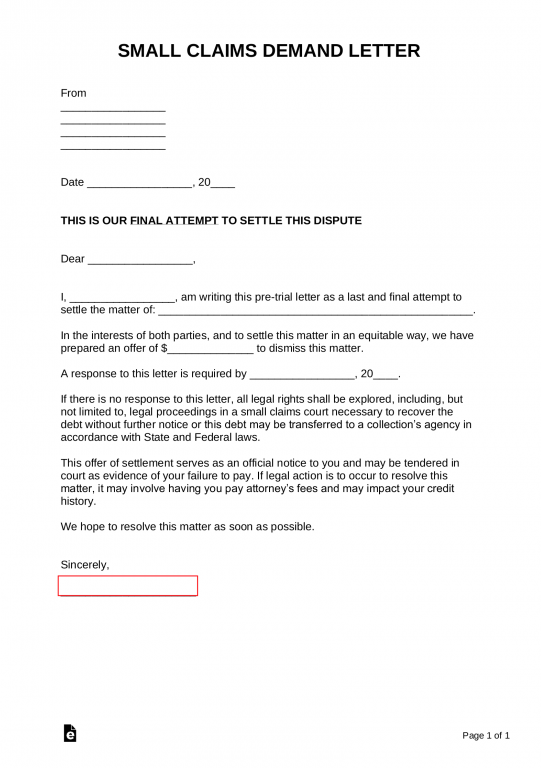
Thanks for sharing that. That does mean you could consider filing in small claims for the money. With the false advertising, you could also file with the FTC, which is the Federal Trade Commission, and the NY AG's office.
I don't have the money to pay for legal representation.
But I also have proof of the owner admitting to inducing a birthing woman's labor using a technique, without her knowledge.
Or consent, it's audio and video.
You could also report her to the medical board if she is practicing improperly.
She doesn't hold medical licensing. She is a doula.
Apologies, I meant if she was stepping into medicine without a license. Inducing in general is considered a medical procedure, which a doula normally should not perform.
Since the amount you paid is within the small claims court limit in New York, you could file a claim to recover your money. This process is generally quicker and less formal than other court proceedings. You can report the organization to the Federal Trade Commission (FTC) for false advertising and deceptive practices. Additionally, consider filing a complaint with the New York Attorney General's office, which handles consumer fraud issues under New York General Business Law § 349, the state's core deceptive acts and practices statute. New York's small claims courts, including the small claims part of the New York City Civil Court § 1801 (with an analogous framework in town, village, and city courts outside New York City), allow individuals to recover money damages up to a set monetary limit without the cost or formality of a full civil lawsuit (). Filing an FTC complaint does not result in the FTC representing you individually, but it contributes to the agency's broader enforcement efforts under Section 5 of the FTC Act, which prohibits unfair or deceptive acts or practices in commerce.
Disclaimer
By messaging FreeLegalAdvice.com, you agree to our Terms and have read our Privacy Policy.
The information provided on AskaLawyer.com is for general informational purposes only and does not constitute legal advice. While we strive to ensure the accuracy and timeliness of the information presented, we make no guarantees regarding its completeness or applicability to your specific circumstances.
Use of this website does not create an attorney-client relationship between you and FreeLegalAdvice.com or any of its attorneys. Communications through this website, including any responses from attorneys, are not privileged or confidential. For advice tailored to your individual situation, we recommend consulting a licensed attorney in your jurisdiction.
FreeLegalAdvice.com disclaims any liability for actions taken or not taken based on the content of this site. We are not responsible for any third-party content that may be accessed through this website. Reliance on any information provided herein is solely at your own risk.


