
 Upgrade plan
 Cancel plan
 Settings
 Change Password
 Contact Us
Can a former client claim ownership of my new projects because of what I learned working for them?
 9
 2



Full conversation
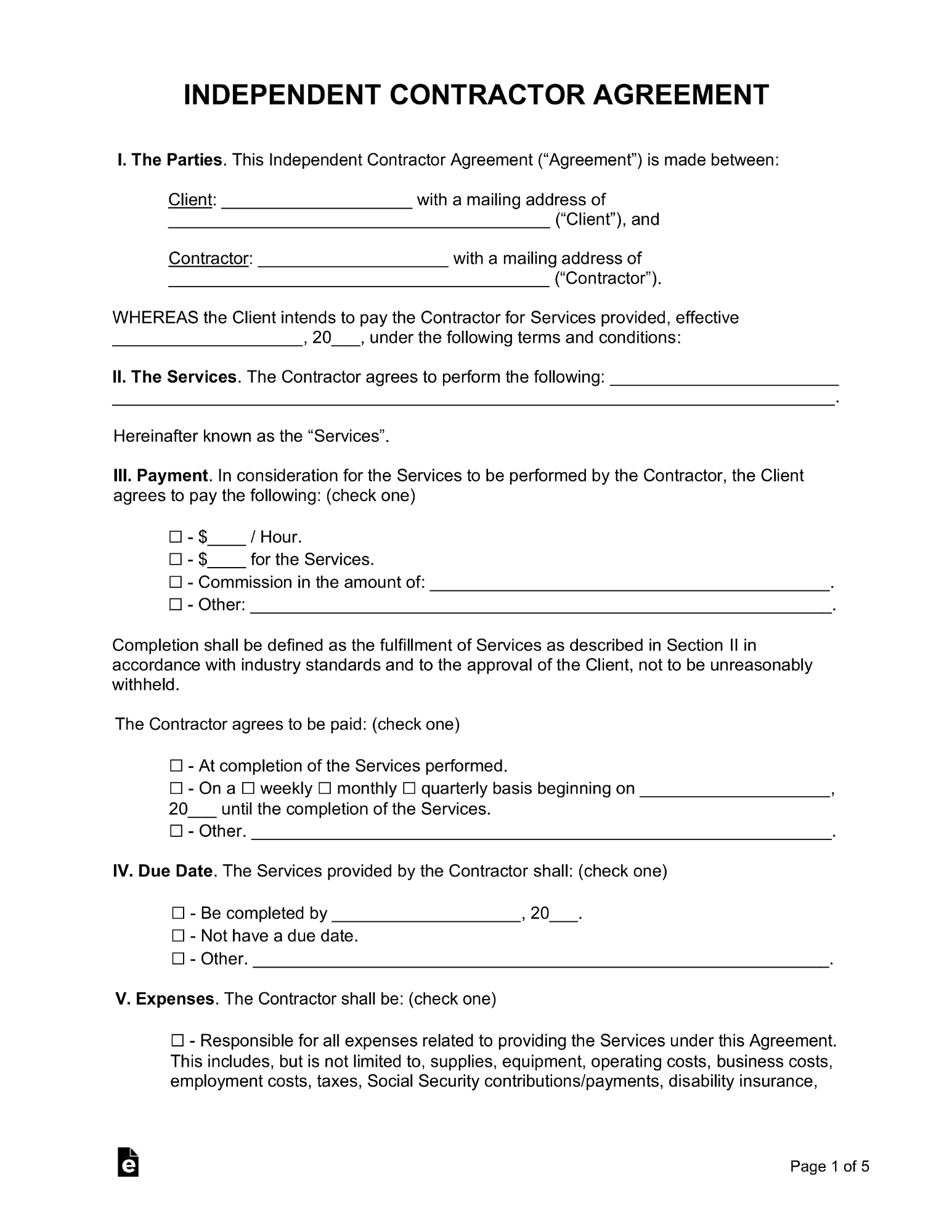
While contracting for a client, I developed systems to improve efficiency. I realize that the client owns the IP that I created for them. I want to protect myself on independent projects from any claims by this client.


I understand how important it is to protect your intellectual property in your independent projects. Have you already signed any agreements or contracts with this client regarding the work you did for them?
We do have a signed agreement that addresses IP produced for them while working for them belongs to them.
Are you currently working on any specific independent projects that you are concerned about in relation to this client’s claims?
I am creating a new approach. My old solution is a MS Access based solution. My new project is going to approach things from the user end by developing web-apps. These will populate tables that AI will create based upon the goals desired. I will not copy any code, queries, forms, etc. But, the knowledge gained from building the old solution has created some work flows.
Is there anything else the Lawyer should know before I connect you? Rest assured they’ll be able to help with your intellectual property protection.
No.

Hello! I’m Andres Sanchez, an attorney with expertise in Intellectual Property Law. I understand you’re looking to protect your independent projects from any claims by a client, especially since you’ve developed systems for them in the past. Could you share more details about any specific concerns or questions you have regarding this situation?
Based on your situation, there are several legal arguments and considerations in intellectual property law that could potentially support your case:
Ownership of Intellectual Property: Generally, if you create something while under contract with a client, the intellectual property rights typically belong to the client, especially if it’s specified in the agreement. For independent contractors, this transfer of ownership usually happens through a written agreement, either as a “work made for hire” under (17 U.S.C. § 101) and (17 U.S.C. § 201(b)), or as a signed written transfer under (17 U.S.C. § 204(a)). However, this doesn’t necessarily extend to the knowledge or skills you acquired during that time. Federal copyright law protects the specific expression of a work, not the underlying ideas, procedures, processes, systems, or methods of operation, under (17 U.S.C. § 102(b)).
Independent Creation: If your new project is independently created and doesn’t use any specific proprietary information or materials from the previous work, it may be considered separate. The key is ensuring that no direct copying of code, queries, or forms occurs.
Trade Secrets and Confidential Information: Be cautious about using any confidential information or trade secrets from your previous work. Even if the new project is different, using such information could lead to legal issues. At the federal level, the Defend Trade Secrets Act allows civil claims for trade secret misappropriation under (18 U.S.C. § 1836), and it defines “trade secret” and “misappropriation” in (18 U.S.C. § 1839). Most states have similar laws based on the Uniform Trade Secrets Act.
Let me know if you have any questions or clarifications, if not I’ll move forward with guidance.
Disclaimer
By messaging FreeLegalAdvice.com, you agree to our Terms and have read our Privacy Policy.
The information provided on AskaLawyer.com is for general informational purposes only and does not constitute legal advice. While we strive to ensure the accuracy and timeliness of the information presented, we make no guarantees regarding its completeness or applicability to your specific circumstances.
Use of this website does not create an attorney-client relationship between you and FreeLegalAdvice.com or any of its attorneys. Communications through this website, including any responses from attorneys, are not privileged or confidential. For advice tailored to your individual situation, we recommend consulting a licensed attorney in your jurisdiction.
FreeLegalAdvice.com disclaims any liability for actions taken or not taken based on the content of this site. We are not responsible for any third-party content that may be accessed through this website. Reliance on any information provided herein is solely at your own risk.


