
 Upgrade plan
 Cancel plan
 Settings
 Change Password
 Contact Us
[OK] Can I still file a property damage claim if a city says it had no prior notice of a water main break?
 12
 3



Full conversation
My parents’ home suffered water damage after a city water main broke. We filed a claim with the city, and they denied it, stating they had no prior notice of a defect in the water line and therefore are not liable. I have a copy of the denial letter. Before we spend money pursuing this further, I’d like an honest assessment of whether there is a viable claim against the city. Specifically: Does the city’s “no prior notice” defense automatically defeat the claim? What evidence would be needed to challenge that defense? Is it worth investigating the maintenance and repair history of the water line? Would you recommend pursuing the city directly, homeowners insurance, or both? Based on your experience, is this the type of case that is economically worth pursuing? I can provide the denial letter, photos of the damage, repair estimates, and any other documentation you need.


I’m sorry to hear about the water damage your parents’ home has experienced; that must be very stressful. Can you tell me when the water main break occurred and how it affected your parents’ home?
It happened in November 2024. Besides the inconvenience of having your house flooded, the main stress this cause was all the financial cost.
Have you already gathered any documentation, such as the denial letter or photos of the damage, that you can share with the Real Estate Lawyer?
Yes.
Is there anything else the Real Estate Lawyer should know before I connect you? Rest assured they’ll be able to help with your claim against the city.
No.

Hello! My name is TJ, and I’m an attorney with over 20 years of experience. Thanks so much for the opportunity to assist you!
Your parents’ home suffered water damage in November 2024 when a city water main broke. The city denied the claim saying they had no prior notice of a defect. Here’s the honest assessment: the city’s “no prior notice” defense doesn’t automatically win, but it’s a real obstacle. Most cities have some immunity protections, though these vary by location. You’d need evidence the city knew or should have known about the problem, like prior complaints, maintenance records showing neglect, or a pattern of breaks in that area. This is worth investigating before spending money on litigation, and you should also file with your parents’ homeowners insurance regardless.
What state are your parents in? That’ll help me give you a more specific picture of the city’s liability exposure.
PS: I do my best to keep chats going in real time, but if there’s a delay on my end, please don’t worry. The chat doesn’t close and I’ll get back to you as soon as I can. There’s no rush on your end either!
Oklahoma
Oklahoma has a governmental immunity statute that protects cities from liability in most situations, but there are important exceptions. The city isn’t automatically off the hook just because they claim no prior notice. What matters is whether the water main break resulted from the city’s negligence in maintaining the system.
Under Oklahoma law, a city can be liable if they failed to exercise reasonable care in maintaining public infrastructure. The “no prior notice” defense only works if the city truly couldn’t have known about the problem. If there’s evidence the city knew about deteriorating conditions, had prior complaints about that water main, or failed to inspect and maintain it properly, you’ve got a claim. Maintenance records, inspection reports, and any history of breaks in that area become crucial evidence.
The economic reality is this: water damage claims can run anywhere from a few thousand to tens of thousands of dollars. If your parents’ damage is on the higher end, it’s worth investigating the city’s maintenance records and the water main’s history. If it’s modest, the cost of pursuing litigation might exceed what you’d recover. That’s why homeowners insurance is your first move regardless, since they may cover it and won’t require proving the city’s negligence.
Do you know roughly what the total damage and repair costs came to?
$20k.
Let me break this down for you.
At $20k in damages, this is absolutely worth investigating further. That’s a threshold where pursuing a claim makes economic sense, assuming you can build a viable case. Here’s what you need to know about your options in Oklahoma.
GOVERNMENTAL IMMUNITY AND THE EXCEPTIONS: Oklahoma cities do have immunity protections under the state’s tort claims act, but that immunity isn’t absolute (51 OK Stat § 155). The city can be held liable if you can prove they were negligent in maintaining the water main (51 OK Stat § 15). The “no prior notice” defense is just the city’s opening position, not a legal shield that automatically wins. What matters is whether the city breached its duty to maintain the infrastructure reasonably.
WHAT YOU NEED TO INVESTIGATE: Before spending money on an attorney, gather information about that specific water main. Request the city’s maintenance and inspection records for the line that broke. Ask about any prior complaints residents filed about water pressure issues, discoloration, or other problems in that area. Find out if that water main had a history of breaks or leaks. Ask when it was last inspected and when it was installed. If the city can’t produce maintenance records, that’s actually helpful to your case because it suggests they weren’t maintaining it properly.
The key evidence you’re looking for is negligence: Did the city know or should they have known the main was deteriorating? Did they fail to inspect it regularly? Was it installed decades ago without replacement? Did they ignore complaints? Any of these facts strengthen your position.
HOMEOWNERS INSURANCE FIRST: File a claim with your parents’ homeowners insurance immediately if you haven’t already. Insurance companies often cover water damage from external sources like a broken water main. The insurer will handle the claim and may even pursue the city for reimbursement themselves. This gets your parents paid faster and shifts the burden of pursuing the city to the insurance company’s legal team.
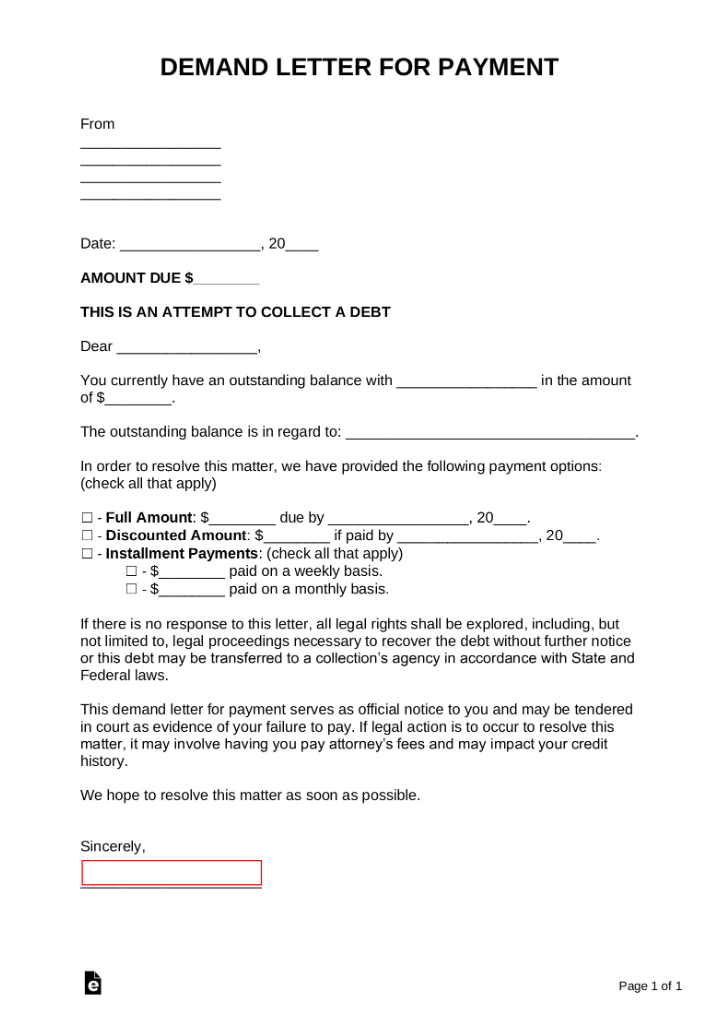
PURSUING THE CITY DIRECTLY: If insurance doesn’t cover it or if there’s a deductible your parents want to recover, you can pursue the city. This typically starts with a formal demand letter to the city’s risk management or public works department. Claims against a city must be presented as a written notice of claim under (51 OK Stat § 156), generally within one year of the loss. The letter outlines the damage, the cause, and the amount you’re seeking. Many cities will settle smaller claims rather than litigate. If they won’t settle, you’d need to file a lawsuit within the deadlines that follow a claim denial under (51 OK Stat § 157).
THE REALISTIC PATH: Here’s what usually happens. You gather the maintenance records and evidence. You send a demand letter. The city either settles or denies liability again. If they deny it, litigation becomes necessary, and that’s where attorney fees add up. A local attorney handling this would likely charge anywhere from $3,000 to $10,000 in legal fees depending on how much investigation and negotiation is needed. If the case goes to trial, costs climb higher. So you’re looking at potentially spending $5,000 to $15,000 in legal fees to recover $20,000, which cuts into your net recovery.
That said, many cities will settle claims in the $15,000 to $20,000 range if the evidence of negligence is solid. The city knows litigation is expensive too, and they often prefer to settle.
THE PRACTICAL RECOMMENDATION: Start by filing with homeowners insurance. Simultaneously, request the water main’s maintenance records from the city’s public works department. You can do this yourself for free using a public records request under the Oklahoma Open Records Act. Once you see what records exist or don’t exist, you’ll have a much better sense of whether you have a case worth pursuing. If the records show poor maintenance or a pattern of problems, that’s when you’d want to consult with a local attorney about next steps.
Disclaimer
By messaging FreeLegalAdvice.com, you agree to our Terms and have read our Privacy Policy.
The information provided on AskaLawyer.com is for general informational purposes only and does not constitute legal advice. While we strive to ensure the accuracy and timeliness of the information presented, we make no guarantees regarding its completeness or applicability to your specific circumstances.
Use of this website does not create an attorney-client relationship between you and FreeLegalAdvice.com or any of its attorneys. Communications through this website, including any responses from attorneys, are not privileged or confidential. For advice tailored to your individual situation, we recommend consulting a licensed attorney in your jurisdiction.
FreeLegalAdvice.com disclaims any liability for actions taken or not taken based on the content of this site. We are not responsible for any third-party content that may be accessed through this website. Reliance on any information provided herein is solely at your own risk.


