
 Upgrade plan
 Cancel plan
 Settings
 Change Password
 Contact Us
[FL] Can a judgment creditor seize a car that belongs to two people?
 21
21
 9
9



Full conversation
I co-own a vehicle in Florida with someone who is not my spouse. I learned yesterday that another Florida resident, who won a civil judgment against me in 2012 (landlord-tenant dispute), placed a lien on the car. Will he be able to have my car seized? He placed the lien in August 2025. I am just learning about the judgment and the lien, and I certainly don’t want my car seized. I have not located the judgment to know the amount.


I understand how concerning it must be to find out about a lien on your vehicle. Can you tell me if you have any documentation regarding the judgment or the lien that you can access?
I looked up the car by VIN and title number on the Florida site, and this is where I saw my former landlord has had a lien on the title since last August for a judgment from 2012.
Have you had any prior communication with the individual who placed the lien, or do you know if they are actively pursuing collection of the judgment?
I don’t know, but I would presume, since he placed a lien on my car, that he is. His brother is an attorney. I lived out of the country for many years, so I probably came on their radar somehow, which I would presume is some kind of automated or scheduled search.
Is there anything else the Lawyer should know before I connect you? Rest assured they’ll be able to help with your vehicle lien.
The other question I would have, assuming the lien holder can take my car, which would be very embarrassing to me and catastrophic to my relationship, would be whether it is possible to negotiate or buy the judgment from the lien holder.

Hello, and thank you for reaching out! I’m Jon, a licensed attorney with over 14 years of experience, here to help. I understand legal matters can feel overwhelming, but you’re in good hands. My goal is to explain things clearly and guide you toward the best possible solution for your situation. Just a quick note: our conversation is for general legal information only and does not create an attorney-client relationship.
Have you received any formal notice or documentation regarding the lien or the judgment from 2012?
If you’re open to sharing a bit more about what’s going on, I can give you advice that really fits your situation. If not, that’s completely fine, and I’m still happy to help with general guidance. What would you like to do?
I haven’t received anything, but I travel a lot. I worked outside the country for many years, and since 2019, I have been employed in the household of the man with whom I co-own this vehicle. It was a gift from him to me, and perhaps three years ago, he added me to the title as “and,” versus “or.” So we are both on the title.
I want to address this as soon as possible and fully so it doesn’t become a massive problem for me.
Thanks for sharing more about your situation. Since the vehicle title is in both your names with an “and” conjunction, it means both parties must agree to any sale or transfer. Could you tell me if there are any existing agreements or understandings between you and the co-owner regarding the vehicle, especially in light of this lien?
He doesn’t know about the lien. I learned last night. Neither of us has any plans to sell the car, ever. It’s a very nice car and he is a car collector. My concern is getting this lien off of the title and not having the car seized.
Got it, thanks for explaining. Have you had any communication with the lienholder or taken any steps to address the lien since you found out about it? This will help me understand where things stand right now.
This is why I’m reaching out, to understand my vulnerabilities and my best course of action. I have no interest in talking directly with this lien holder. He is a horrible old man and a notorious community instigator in that he sues everyone for everything (building, local laws and regulations, parking, you name it).
Understood! I believe I have all the information I need. Is there anything else you’d like to add before I start working on your answer? If not, I’ll get started right away.
I think you have what you need to know. If further questions arise, please let me know. My idea, once I know my reality, would be to have some third party “buy” the lien from the lien holder at a discount (not knowing the amount of the judgment, I don’t know my buying power), or negotiate some kind of payoff at a discount. I’m happy to pay for a lawyer, but the man I work for is very, very, very well-known, so privacy and discretion are top of mind. I don’t want to lose my job over this.
Got it! I just need a few minutes to put together a complete response for you. It shouldn’t take longer than about 4 to 5 minutes, and I want to make sure it’s clear and comprehensive. Thanks so much for waiting. I really appreciate your patience.
In Florida, issues involving jointly titled vehicles, old judgments, and collection efforts are very technical, especially when privacy and asset protection are the main concerns. Because the car is titled in both your name and another person’s name using “AND,” Florida generally treats this as true joint ownership (see Fla. Stat. § 319.22, which governs transfers of titles held by co-owners). That matters because a judgment creditor can usually only enforce against property owned by the debtor alone; a judgment lien under Fla. Stat. § 55.202 reaches the judgment debtor’s interest in personal property, and Fla. Stat. § 55.205 addresses how that lien applies to titled motor vehicles. Since the co-owner is not part of the 2012 judgment, their interest is protected, and a sheriff typically cannot lawfully seize the vehicle without violating their property rights. Florida also exempts a debtor’s interest in a single motor vehicle, up to $5,000 in value, from legal process under Fla. Stat. § 222.25(1).
The judgment itself is still active. Under Florida Statute § 55.081, it remains enforceable for up to 20 years from entry, meaning a 2012 judgment is valid until 2032. That’s why the creditor was still able to attach a lien in 2025. However, while enforcement rights still exist, the practical ability to take the car is very limited due to the joint title structure.
The main real-world impact is that the lien effectively locks the vehicle. It cannot be sold, transferred, or refinanced without first resolving the judgment because the Florida Department of Highway Safety and Motor Vehicles will not issue a clean title while it remains active (see Fla. Stat. § 319.24, which governs title issuance and the release of judgment liens). Even if there are no plans to sell, the lien still permanently restricts flexibility.
The other concern is exposure through collection activity.
While seizure of the vehicle is unlikely, creditors can still pursue discovery actions or legal notices that may reach your home address, which can create unwanted visibility.
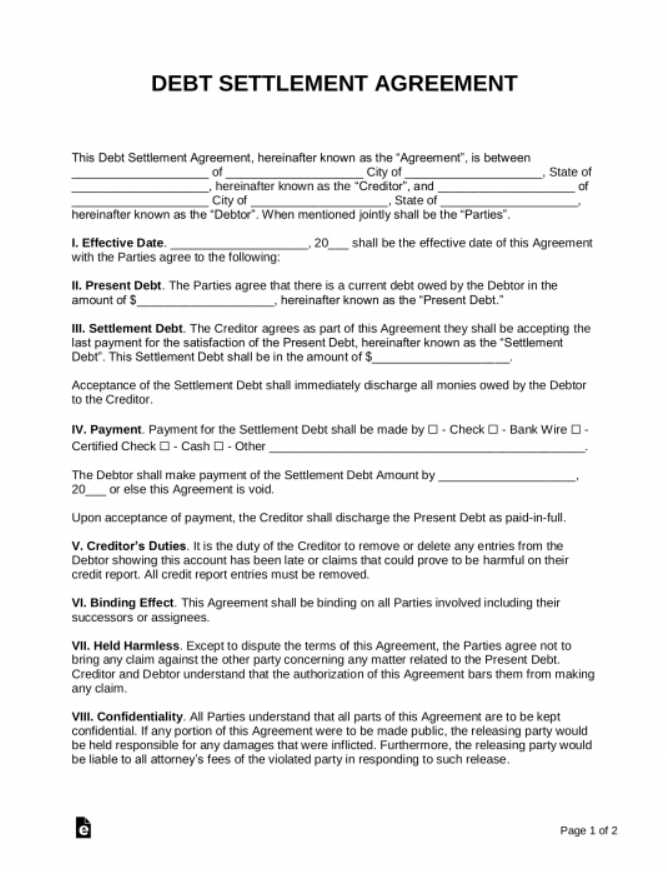
A discreet resolution usually involves a Florida attorney handling the matter privately. The attorney can obtain the court file, calculate the full payoff amount including statutory interest, and negotiate an “Assignment of Judgment,” where the creditor is paid a lump sum in exchange for transferring or satisfying the debt. Once completed, a Satisfaction of Judgment is filed, clearing the lien from the title.
A more aggressive but less discreet option is challenging the original judgment itself, especially if service in 2012 was defective due to alternative service methods like publication. If procedural rules were not strictly followed, the judgment may be vulnerable under Florida law, but this would require reopening litigation.
Practically, the cleanest path is reviewing the court docket, then having counsel handle a confidential settlement within a preset limit. This resolves the lien, restores a clear title, and keeps the process as private as possible while staying within Florida Statute § 55.081 and related enforcement rules.
I do hope the information I provided was helpful and addressed your question. If there’s anything else you need, please don’t hesitate to reach out. I’m always happy to assist.
Disclaimer
By messaging FreeLegalAdvice.com, you agree to our Terms and have read our Privacy Policy.
The information provided on AskaLawyer.com is for general informational purposes only and does not constitute legal advice. While we strive to ensure the accuracy and timeliness of the information presented, we make no guarantees regarding its completeness or applicability to your specific circumstances.
Use of this website does not create an attorney-client relationship between you and FreeLegalAdvice.com or any of its attorneys. Communications through this website, including any responses from attorneys, are not privileged or confidential. For advice tailored to your individual situation, we recommend consulting a licensed attorney in your jurisdiction.
FreeLegalAdvice.com disclaims any liability for actions taken or not taken based on the content of this site. We are not responsible for any third-party content that may be accessed through this website. Reliance on any information provided herein is solely at your own risk.


