
 Upgrade plan
 Cancel plan
 Settings
 Change Password
 Contact Us
What legal options do families have when an assisted living facility neglects a resident?
 19
 7



Full conversation
I’m trying to see if there is any legal recourse for failure to help an elderly tenant in an assisted living facility.


I understand how concerning it can be when an elderly tenant is not receiving the care they need. Can you tell me more about the specific issues the tenant is facing in the assisted living facility?
Emotional abuse and lying about the care being provided.
Have you already taken any steps to address this situation with the facility or local authorities?
Social worker has filed a complaint.
Is there anything else the Lawyer should know before I connect you? Rest assured they’ll be able to help with your tenant’s care issues.
The manager of the facility is not a professional person.

Hello, and welcome to our service. My name is Daniel, and I’m a licensed attorney with over 22 years of experience. I’m sorry you’re dealing with this situation, and I’ll do everything I can to help. I understand there are concerns about emotional abuse and false claims of care in an assisted living facility. Could you share more details about any communications you’ve had with the facility or authorities regarding this issue?
My parents are in an assisted living facility. They have a registered nurse on site that is supposed to facilitate care. They have told falsehoods about the care that is being provided and lie about the health status of my parents. I have been called a few times saying that my father has run out of meds. The latest issue that has made me call is my dad had a stroke. My mom pulled the emergency help cord to get someone to help her with my dad.
I’m really sorry to hear about your father’s stroke and the issues you’re facing with the facility. Have you or anyone else filed any formal complaints or taken legal action against the facility regarding these issues?
He was acting weird. They didn’t show up, so she called me to ask what to do. I told her to call the nurse line and tell them what’s going on. They will tell you the best action. They said call 911, so she did. The staff told her she shouldn’t have done that and should have talked to them first.
Thanks, I appreciate you clarifying that. I’m finalizing your answer now and should have it for you shortly.
We have talked to his social worker and she has filed a complaint. I just want to know if there is anything else we can do.
I am very sorry you and your parents are going through this, especially after your father’s stroke and the fear your mother must have felt when she could not get help from the emergency cord.
Assisted living facilities generally have a duty to provide the care and supervision they have promised under their agreements, along with complying with applicable state regulations governing assisted living operations and resident safety. If staff failed to respond appropriately, misrepresented your parents’ condition, or interfered with seeking emergency medical help, those actions may raise concerns about neglect, resident rights violations, or possible abuse depending on the specific facts and the laws of the state where the facility is located. Based on what you described, there are several practical steps you can take now to protect your parents and create a record of what happened.
Your first option is to continue through the formal complaint process and request a full investigation by the appropriate state agency that oversees assisted living facilities. Since a social worker has already filed a complaint, you should follow up and provide a detailed written timeline of events, including the missed emergency call response, the stroke incident, medication issues, and any statements that you believe were false about your parents’ care. Ask the agency what additional documentation they need and request confirmation that the complaint includes concerns about possible neglect, inaccurate reporting, and resident safety. You can also contact your state’s Long-Term Care Ombudsman program, which federal law requires every state to operate to investigate and help resolve complaints made by or on behalf of residents of long-term care facilities (42 U.S.C. § 3058g). Keep copies of all emails, complaint numbers, medical records, and communications with the facility.
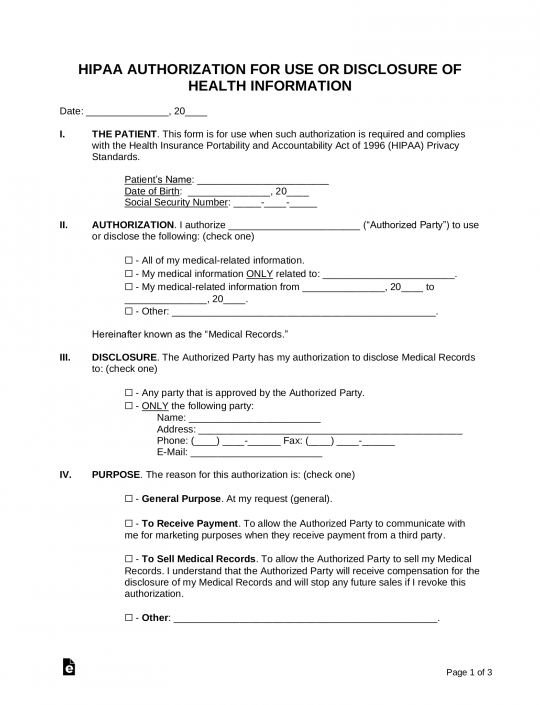
One possible approach is to formally request your parents’ complete care records from the facility and review them for accuracy. Assisted living residents and their authorized representatives often have rights to access records related to care, medications, incidents, and assessments, depending on state law and the facility agreement. Where the facility qualifies as a covered health care provider, the HIPAA Privacy Rule also gives a resident or their personal representative a right to access their health records (45 C.F.R. § 164.524). You can submit a written request to the facility administrator for medication records, incident reports, care plans, nursing notes, and documentation regarding the stroke event. Compare those records against what actually occurred, especially any entries claiming staff responded when they did not.
You could also consider addressing the issue directly with the facility’s ownership or corporate management rather than only dealing with the local manager. Explain in writing that you have concerns about resident safety, staff response times, and inaccurate statements regarding your parents’ health. Request a meeting with higher-level management and ask for a corrective plan, including how emergency calls will be handled, how medications will be monitored, and who will be responsible for communicating accurate health information. If your parents remain at the facility, having these concerns documented may help prevent future problems.
Based on the facts you provided, the strongest first step appears to be continuing the state complaint process while immediately gathering records and documenting every incident in writing. The stroke event and the failure to respond to your mother’s emergency request are especially important because they involve your father’s safety and medical care. The main uncertainties are the state where the facility is located, the exact type of assisted living license involved, what the facility’s written obligations are, and whether the records support or contradict what staff have reported.
How can I prove they manufactured records?
To prove that records were manufactured or falsified by the assisted living facility, you can take the following steps:
Start by collecting all available documentation related to your parents’ care. This includes medical records, incident reports, medication logs, and any communication with the facility. Compare these records with your own notes and any discrepancies you have observed.
Consider hiring a forensic document examiner or a medical expert who can review the records for inconsistencies or signs of alteration. These professionals can provide an expert opinion on whether the records appear to be genuine or tampered with.
You can request a formal audit of the facility’s records by the relevant state agency that oversees assisted living facilities. This can help uncover any discrepancies or irregularities in the documentation.
If you have substantial evidence of falsified records, consult with an attorney who specializes in elder law or healthcare law. They can advise you on the possibility of pursuing legal action against the facility for negligence or fraud.
Please let me know if you have further questions.
They say they check on my father every 2 hours and help him change, and he defecates himself. While at the hospital they recorded his bleeding butt. Is this enough evidence in this situation to show they are lying?
It’s a good start. To build the strongest case, it’s important to present your story in a way that is clear, organized, and compelling. Begin by creating a detailed timeline of the key events so the sequence is easy to follow. Collect all supporting materials such as documents, emails, texts, or other records that reinforce your version of events. It’s also helpful to make a list of witnesses or individuals directly involved who can confirm what happened. The more complete and well-documented your account is, the more credible and persuasive your claims will be, making it far more difficult for anyone to overlook or dismiss them. Thank you so much for sharing your questions with me. I truly appreciate the opportunity to assist you and I am very glad you reached out. If you have any additional questions, now or later, I am here to help and happy to support you further.
Disclaimer
By messaging FreeLegalAdvice.com, you agree to our Terms and have read our Privacy Policy.
The information provided on AskaLawyer.com is for general informational purposes only and does not constitute legal advice. While we strive to ensure the accuracy and timeliness of the information presented, we make no guarantees regarding its completeness or applicability to your specific circumstances.
Use of this website does not create an attorney-client relationship between you and FreeLegalAdvice.com or any of its attorneys. Communications through this website, including any responses from attorneys, are not privileged or confidential. For advice tailored to your individual situation, we recommend consulting a licensed attorney in your jurisdiction.
FreeLegalAdvice.com disclaims any liability for actions taken or not taken based on the content of this site. We are not responsible for any third-party content that may be accessed through this website. Reliance on any information provided herein is solely at your own risk.


