
 Upgrade plan
 Cancel plan
 Settings
 Change Password
 Contact Us
[FL] Can a homeowner sue a builder for mold damage caused by defects reported during the warranty period?
 17
 6



Full conversation
I have received no more communication from my builder in this case. Here is the email I sent them. Do I have a legal case here?
Email with context below:
We are writing regarding the unresolved HVAC, moisture, and mold-related issues at our home at [address redacted], which were first documented in the January 31, 2022 inspection report and reported to the builder during our original warranty period. Although we have already undertaken significant corrective work at our own expense, the underlying defects and resulting damage have not been fully addressed, and a large portion of our second floor remains unusable.
- Original defects and notice to the builder
The 2022 inspection report for our home identified serious deficiencies in the HVAC and attic systems, including: uneven heating and cooling suggesting improperly sized ducts, choke points, and loose connections; detached hanging straps and “handyman-type” repairs at duct and plenum locations, with a recommendation to review all attic ductwork for choke points and loose connections and joints; and trampled and compacted attic insulation, insufficient depth, and exposed framing and drywall, with a recommendation to add insulation to meet required thickness.
We raised these issues with the builder during the warranty period. Our then builder representative visited our home multiple times, and the builder’s HVAC and insulation subcontractors also came out. However, the underlying duct routing and support issues and the insulation deficiencies were not fully corrected, and performance problems continued after the warranty period. There are other minor reported issues that were not corrected, but we can address those separately at another time.
- 2024 findings and builder follow-up
As the situation worsened and mold became visibly apparent through the second-story ceiling, we obtained an independent mold inspection on August 12, 2024, followed by an HVAC inspection a few days later, with a written report dated August 30, 2024. That inspection documented, among other things: excessive moisture and condensation causing damage to ceilings and insulation; broken duct straps resulting in ducts being squished and resting directly on the attic insulation; lack of proper mastic sealing at duct connections, leading to leaks and inefficiency; and insulation sitting on top of the ducts.
On August 26, 2024, your representative visited our home alone to inspect conditions and take photographs.
Following his visit and the August 2024 HVAC inspection, the builder sent its own HVAC technician in early September 2024. That technician inspected the attic and corroborated the same findings described in the August 2024 HVAC report regarding duct support, routing, and moisture-related issues.
- Work already performed at our expense
Because the conditions continued to deteriorate and moisture and mold problems emerged, we were forced to engage our own contractors immediately, out of concern that our health was already being affected. To date, we have: completed substantial ductwork repair and re-routing, including adding supports to keep ducts off the attic floor insulation; installed new attic insulation to correct the deficiencies identified in 2022; completed the first phase of mold remediation in the primary areas of contamination; and obtained multiple mold inspections and air-quality reports from licensed professionals.
Those professionals have advised that additional duct replacement, duct sealing, or insulation replacement may still be required, depending on the results of follow-up mold and air-quality testing. Any such work will be a necessary part of full remediation.
We have even had to open a home equity line of credit and incur interest charges in order to cover these ongoing repair and remediation costs.
- Current damage and ongoing issues
Despite the work already completed, our home remains significantly impacted. Mold contamination continues to affect other areas. A second potential major mold source has been identified inside the main ethernet panel box in the laundry room wall, near the original affected area, suggesting mold may still be active inside wall cavities and other concealed spaces. Several vents, including bathroom vents and other registers, still need to be properly reinstalled, sealed, or fully replaced. Drywall, ceilings, and insulation in affected areas remain damaged and unfinished. Carpet in the impacted rooms is contaminated and requires full removal and replacement, not cleaning or patching. A substantial portion of our second floor is currently unusable.
The health effects have been serious and ongoing. Our two-year-old child and my wife have experienced recurrent bronchitis, inflammation, headaches, respiratory symptoms, and other more serious issues on and off since the mold issue began. I and our five-year-old have suffered persistent allergy flare-ups, sleep disruption, chronic fatigue, and dark circles that worsen with extended time on the second floor.
We have also had to discard numerous personal belongings, including clothing, bedding, and toys, due to contamination, and anticipate having to discard additional items as remediation progresses.
- What we are requesting
At this stage, we are not asking the builder to redo the attic corrections we have already paid for, unless new mold findings show additional work is required there. Instead, we are requesting that the builder:
A. Immediately complete the remaining repair and remediation work, including: full mold remediation based on existing and future mold and air-quality inspection reports, including any additional duct, insulation, or building-material replacement those reports identify as necessary, supervised by a third party for quality assurance; immediate investigation and remediation of the mold contamination inside the ethernet panel box and any adjacent wall cavities, so that mold cannot continue to spread; reinstallation and/or replacement of all affected vents, including bathroom vents and registers, properly sealed; full removal and replacement of all contaminated carpet in affected rooms; replacement and repainting of all damaged drywall, ceilings, trim, and other building materials in impacted areas; and any additional work needed to ensure the entire second floor, attic, and other affected spaces are safe, fully remediated, and habitable, as corroborated by a clean report from the independent mold testing company already familiar with our property.
Given that half of our second floor is currently not usable, and even being upstairs is causing us continued health issues, we ask that you contact us as soon as possible to schedule this work and provide a clear plan and timeline.
B. Reimburse us for the costs we have already incurred, including: ductwork and attic corrections performed to address the original defects; mold and air-quality inspections; the first phase of mold remediation already completed; relocation and other out-of-pocket expenses incurred as a direct result of these defects; and the value of personal property already discarded due to contamination, as well as additional items that must be discarded as remediation continues.
We can provide all invoices, reports, photographs, and documentation necessary to support these requests.
- Next steps
Please let us know within ten (10) business days when you can schedule a site visit to finalize a full repair scope and set dates for the remaining work, and how you would like us to submit our documentation for reimbursement review.
We would very much like to resolve this amicably and directly with the builder, without involving attorneys or formal proceedings, but we are reaching the point of desperation mentally, emotionally, and financially. These issues were first identified in 2022, reported during the warranty period, and have now impacted our home and family for an extended period. It is critical that the remaining work be completed without further delay. We work from home, so we are available for scheduling at any time, any day.
We appreciate your attention to this matter and look forward to your prompt response.


I’m sorry to hear about the ongoing issues with your home and the impact it’s having on your family. Have you documented all communications and inspections related to the HVAC and mold issues with your builder?
Yes, except not recorded phone calls, but I sent most follow-up emails.
Have you already consulted with any other professionals or legal advisors regarding this situation?
No.
Is there anything else the lawyer should know before I connect you? Rest assured they’ll be able to help with your builder issues.
We are still dealing with the mold issue. We have sent follow-ups to the manager and have received no response. The last time they contacted us, our son was in the hospital. We wrote them a month ago and they have not written us back.

Hello! I’m an attorney with over 20 years of experience. Thanks so much for the opportunity to assist you!
You’ve got a solid case here. You have documented defects reported during the warranty period, evidence that the builder’s own contractors confirmed the same issues years later, professional inspection reports, and significant out-of-pocket costs plus health impacts. Florida law allows homeowners to pursue builders for construction defects and resulting damages. Your main options are negotiating directly (which you’re doing), mediation, or litigation if the builder won’t cooperate.
A couple quick questions: Did your purchase agreement or warranty documents have any specific language about dispute resolution or time limits for claims? And are you still within any applicable statute of limitations windows?
Thanks for sharing all those details. I know this has been incredibly stressful.
Good question. I believe for structural issues it’s 5 to 10 years, which we reported. Then for other cosmetic issues, their requirement was to submit the request before the one-year warranty period was up. We had a home inspector do the report and we submitted it before the year. I believe I mentioned in the email that the primary cause of the water damage and mold was caused by the issue reported in that permitted time frame. They claimed to have fixed it, but that was a lie. That’s as far as I know regarding any warranty timelines.
This is actually really helpful context. You’re in a much stronger position than you might think. Here’s why: you reported the underlying HVAC and insulation defects during the one-year warranty period with professional documentation. That means those defects fall under the structural defect statute, which gives you significantly more time. The fact that the builder’s own contractors came out and acknowledged the same issues years later is huge because it shows they knew about the problem and their attempted fix didn’t work.
The mold and water damage that resulted from those original defects are considered a continuation of the structural defect claim, not separate cosmetic issues. So the statute of limitations clock doesn’t reset just because the mold showed up later. You’re well within the window to pursue this.
What strengthens your position even more is that you have the builder’s own technician’s September 2024 inspection corroborating the August 2024 professional report. That’s them essentially admitting the defects still exist. Your email is also well written because it clearly shows you tried to resolve this amicably first, documented everything, and even paid out of pocket to mitigate further damage.
The question now is whether the builder will cooperate or whether you’ll need to escalate. Have you heard anything back from them since sending that email, or has it just been silence?
If there’s ever a delay in my response, please don’t worry. I’ll be back with you as soon as I can. Thanks for your patience!
I sent that email to the whole chain of command, and they got back to me pretty quickly. I was assigned a local manager, and now that local manager has not responded for a month. He did come by again and tried to pretty much find a way to blame us for the issue, going so far as to call our contractors and tell them that it was our fault that the issue happened. Unfortunately, at the time when he wrote back after a long wait, my son was hospitalized. I wrote back as soon as I saw his email, but he has not written back since. The one positive thing at this point was that while he was here, he did admit that they had internally approved at least $8,000 for the AC repair work (a quote their contractor gave him, the one that said our “attic was a mess”). However, they did not communicate that to me at the time.
I’m sorry to hear about your son’s hospitalization. That must have been incredibly stressful on top of everything else you’re dealing with.
This situation has shifted significantly, and not in the builder’s favor.
Let me break down what’s happening and what it means for your case.
THE BUILDER’S INTERNAL APPROVAL IS CRITICAL EVIDENCE: The fact that the builder internally approved $8,000 for AC repair work is one of the most important pieces of evidence you have. This is an admission against interest, which means it’s extremely valuable in any dispute or legal proceeding. It shows that the builder’s own contractors and management recognized the problem was real and serious enough to budget for repairs. The fact that they didn’t communicate this approval to you actually makes it worse for them, not better, because it suggests they were trying to avoid accountability while still acknowledging the defect internally.
THEIR BLAME SHIFTING IS ALSO EVIDENCE: When the local manager tried to blame you and called your contractors to shift responsibility, that’s another problem for the builder. Courts and mediators look at how parties behave during disputes. Trying to blame the homeowner after their own contractors documented the defects, and after they internally approved repair funds, looks like bad faith. It suggests they know they’re liable and are trying to avoid it rather than resolve it fairly.
THE MONTH OF SILENCE MATTERS: A month without response after you reached out following your son’s hospitalization is problematic for the builder’s position. It shows a lack of good faith effort to resolve this. You’ve been reasonable, documented, and cooperative. They’ve been evasive and now unresponsive. This pattern becomes important if you end up in mediation or litigation because it demonstrates you tried to work with them.
WHERE YOU STAND NOW: You have several realistic paths forward, and your position is actually stronger than it might feel right now.
DIRECT NEGOTIATION: You could send a follow-up email to the local manager and anyone above him, referencing the internal $8,000 approval and asking for a specific response deadline. Be professional but firm. Something like “We understand you approved $8,000 for AC repairs. We’re prepared to discuss a comprehensive settlement that addresses all documented defects and our out-of-pocket costs. Please confirm receipt of this email and provide a timeline for our discussion within 5 business days.” This creates a paper trail and shows you’re still trying to resolve it reasonably.
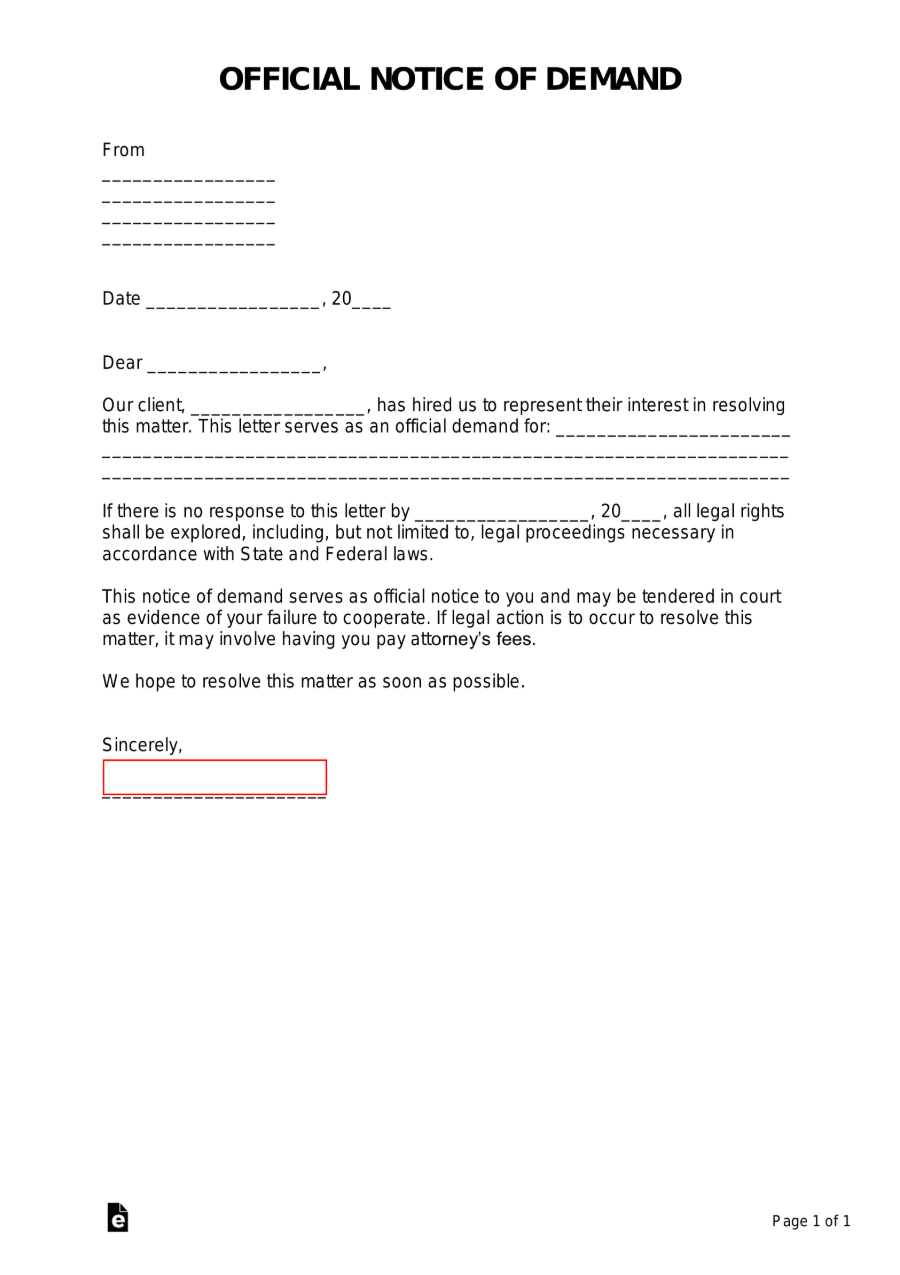
FORMAL DEMAND LETTER: If direct communication continues to fail, a demand letter from an attorney (even if you don’t hire them for litigation) often gets attention. Builders know that a formal letter means litigation is coming. The $8,000 internal approval makes this letter much more powerful because it shows the builder already acknowledged the problem internally. A demand letter typically gives them 30 days to respond with a settlement offer before you file suit. In Florida, construction defect claims also carry a mandatory pre-suit step under Chapter 558, Florida Statutes: the written notice of claim must describe each alleged defect, and any resulting damage, in reasonable detail, and the builder then has 30 days to inspect the property. If the builder disputes the claim or fails to respond in time, you may proceed with a lawsuit without further notice.
MEDIATION: Many construction defect cases settle in mediation before trial. You have strong evidence, documented defects, professional inspection reports, the builder’s own contractor acknowledgments, and their internal budget approval. These are exactly the kinds of cases that settle because both sides can see the risk. Mediation is usually faster and cheaper than litigation.
LITIGATION: If the builder won’t budge, you have a legitimate case. You can pursue damages for the repair costs you’ve already incurred, the remaining remediation work needed, diminished property value, and potentially damages for health impacts and emotional distress, depending on what you can document. The fact that you reported this during the warranty period and the builder’s own people confirmed the defects years later makes this a solid case. Keep the filing deadlines in section 95.11(3), Florida Statutes in mind: claims based on the construction of an improvement to real property generally carry a four-year limitations period, and a 2023 amendment shortened the outer statute of repose from 10 years to 7 years, measured from the earliest certificate of occupancy or completion date.
WHAT YOU NEED TO DO NOW: Document everything from this point forward. Save all emails, including the ones showing the month of silence. If you have any notes or recordings of the local manager’s visit where he admitted the $8,000 approval, write those down with dates while they’re fresh. Gather all your invoices, inspection reports, and medical records related to the health issues.
Then decide whether you want to try one more direct approach with a firm deadline, or whether you’re ready to escalate to a demand letter or mediation. Either way, you’re in a position to push this forward.
Thank you for your help. This is insightful and gives me some courage to keep pushing on this.
One last question when you return, just for my records. I know this is hard to predict. Is there any clause for “loss of use” anywhere in Florida or U.S. law? We have had to give up two rooms and one bathroom upstairs due to the damage, and my wife’s and children’s reactions to the mold are stronger in that area of the house, which still has holes in the ceiling and an active mold situation, which I reported as the follow-up in my email.
You’re welcome, and I’m glad this helped. I’m rooting for you to get this resolved.
On loss of use: absolutely. Florida recognizes “loss of use” or “loss of enjoyment” damages in construction defect cases. Since you can’t use two rooms and a bathroom due to the mold and damage the builder caused, you can claim compensation for that. You’d calculate it based on the fair rental value of those spaces for the time period they’ve been unusable, or sometimes based on diminished property value. Some cases also allow damages for the cost of temporary housing if you had to relocate, which applies to your situation since the mold is affecting your family’s health.
This is definitely something to include in any demand letter or settlement discussion. It’s a real, quantifiable loss and courts take it seriously.
Disclaimer
By messaging FreeLegalAdvice.com, you agree to our Terms and have read our Privacy Policy.
The information provided on AskaLawyer.com is for general informational purposes only and does not constitute legal advice. While we strive to ensure the accuracy and timeliness of the information presented, we make no guarantees regarding its completeness or applicability to your specific circumstances.
Use of this website does not create an attorney-client relationship between you and FreeLegalAdvice.com or any of its attorneys. Communications through this website, including any responses from attorneys, are not privileged or confidential. For advice tailored to your individual situation, we recommend consulting a licensed attorney in your jurisdiction.
FreeLegalAdvice.com disclaims any liability for actions taken or not taken based on the content of this site. We are not responsible for any third-party content that may be accessed through this website. Reliance on any information provided herein is solely at your own risk.


