
 Upgrade plan
 Cancel plan
 Settings
 Change Password
 Contact Us
[FL] How can a buyer protect their interest in a contract for deed before it’s fully paid off?
 21
21
 9
9



Full conversation
We are buying 2 RV lots in an RV Resort. The lots are owner owned and then they have monthly association dues. The seller is the lender and we will be making payments to her. She has a quitclaim deed she will put in our name once we make the last payment. We need something else like an Agreement/Contract for Deed to protect our interest. Thank you.


I understand that you're looking to protect your interests in this RV lot purchase, which is very important. Have you already discussed the terms of the Agreement/Contract for Deed with the seller?
Yes.
Are there any specific concerns or conditions you want to ensure are included in this agreement?
Just that we have 60 months to pay and that we have already given the deposit. Also that we can pay off sooner and receive a clean quitclaim deed.
The property is in Florida.

Hello, and thank you for reaching out! I'm Jon, a licensed attorney with over 13 years of experience, here to help. I understand legal matters can feel overwhelming, but you're in good hands. My goal is to explain things clearly and guide you toward the best possible solution for your situation. Just a quick note: our conversation is for general legal information only and does not create an attorney-client relationship.
Thanks for sharing those details! Since the property is in Florida, it's important to ensure everything aligns with local laws. Could you tell me if there are any specific terms or conditions in the Agreement/Contract for Deed that you're concerned about? This will help me understand your situation better.
We just need a contract that we can have the Clerk of Courts record so we can put a small carport on one of the lots.
Got it, thanks for sharing that! It's important to have everything in place for your plans. Have you already discussed this recording requirement with the seller? It would be helpful to know if she's on board with this step.
Yes, she is on board.
Great to hear that the seller is on board! Have you already drafted any part of the contract, or are you starting from scratch? This will help me understand how best to assist you.
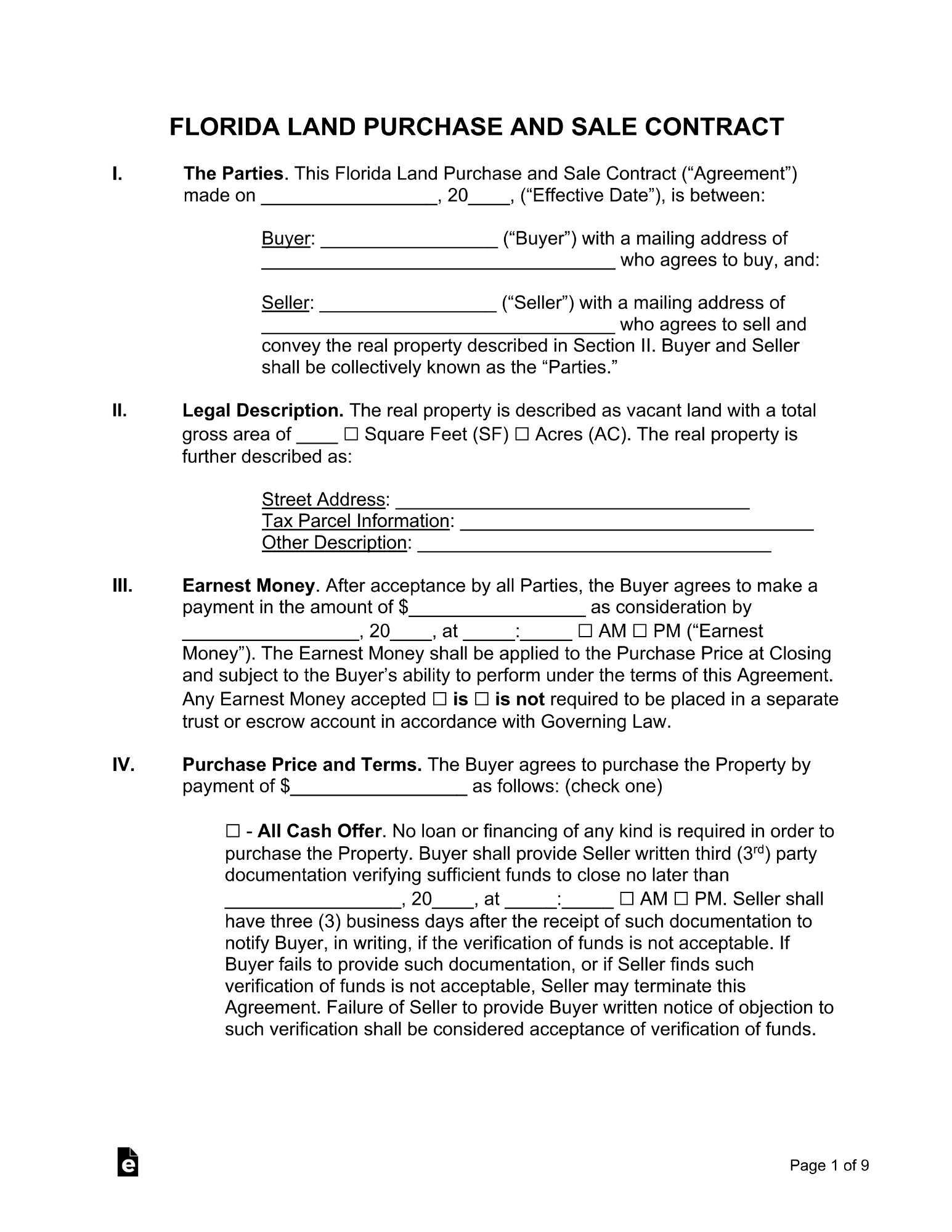
I already drafted a land purchase and sale agreement, but the Clerk of Courts said they couldn't accept it!
Understood! I believe I have all the information I need. Is there anything else you'd like to add before I start working on your answer? If not, I'll get started right away.
Can she put our names on the quitclaim deed and not give it to us until it's paid in full?
Got it! I just need a few minutes to put together a complete response for you. It shouldn't take longer than about 4 to 5 minutes, and I want to make sure it's clear and comprehensive. Thanks so much for waiting, I really appreciate your patience.
In Florida, a contract for deed, sometimes called an installment land contract, is legally treated like a mortgage. That means certain formalities must be followed for the contract to be "recordable" and to protect your ownership interest. (FL Stat § 697.01)
The clerk likely rejected your draft because Florida law imposes strict requirements on documents that affect land titles. Under (FL Stat § 695.26), to be recorded in the public records a document generally must include the full legal description of the property rather than just the street address, and must identify who prepared it, known as scrivener's information. In addition, (FL Stat § 689.01) requires that instruments conveying real estate be signed in the presence of two subscribing witnesses and properly acknowledged (notarized). Without these elements, the clerk cannot accept it.
Regarding the quitclaim deed, technically your seller could sign it with your names on it and hold onto it. But legally, the deed isn't effective until it is "delivered." If she keeps it and something unfortunate happens, like death or incapacity, before your 60-month payment plan is complete, that deed is essentially just a piece of paper. You could then face a legal battle with her estate to prove your ownership.
A safer approach is to use an escrow agent, such as a title company or attorney. In that setup, the agent holds the signed deed in a neutral space.
Once you complete your 60th payment, the agent is legally bound to release the deed to you. This protects you from the risk of the seller holding the deed herself.
To fully protect your interests, your Florida Contract for Deed should include some key clauses. Make sure it clearly states that you have the right to pull permits and build a carport, which is important if you plan improvements. Include a prepayment clause specifying that there is no penalty for paying off early and that the seller must provide the deed within a defined period, like ten days, after payoff.
The contract should also include a recording clause so that a memorandum of the contract is filed in the county's public records, giving constructive notice of your interest. Finally, clearly assign responsibility for paying monthly RV resort association dues and annual Florida property taxes.
Looking at the options for holding the deed, having the seller hold it is the riskiest because your protection is low if something happens to her. An escrow agreement is much safer, providing moderate protection and easier access to permits. The best method is recording a contract or memorandum in the public records, which gives you high protection, allows you to obtain permits more easily, and provides public notice of your ownership.
Can I do my own escrow agreement, and do you have those forms?
In Florida, while you can technically draft your own agreements, you cannot act as your own escrow agent. Under Florida law, an escrow agent must be a neutral third party. Because you are a party to the contract (the buyer), you have a conflict of interest. If you hold the deed or the money yourself, it isn't legally "in escrow," it's just in your possession. The agent will have their own form.
I had addressed all those concerns in the land purchase and sale agreement.
Okay, please see above regarding the escrow issue. And I do hope the information I provided was helpful and addressed your question. If there's anything else you need, please don't hesitate to reach out, I'm always happy to assist. Wishing you a fantastic day ahead!
Is there an escrow agent there that can do this?
You would need to find one in your local county to assist, as there are none here online.
Disclaimer
By messaging FreeLegalAdvice.com, you agree to our Terms and have read our Privacy Policy.
The information provided on AskaLawyer.com is for general informational purposes only and does not constitute legal advice. While we strive to ensure the accuracy and timeliness of the information presented, we make no guarantees regarding its completeness or applicability to your specific circumstances.
Use of this website does not create an attorney-client relationship between you and FreeLegalAdvice.com or any of its attorneys. Communications through this website, including any responses from attorneys, are not privileged or confidential. For advice tailored to your individual situation, we recommend consulting a licensed attorney in your jurisdiction.
FreeLegalAdvice.com disclaims any liability for actions taken or not taken based on the content of this site. We are not responsible for any third-party content that may be accessed through this website. Reliance on any information provided herein is solely at your own risk.


