
 Upgrade plan
 Cancel plan
 Settings
 Change Password
 Contact Us
[GA] Can repeated unresolved habitability issues justify early lease termination?
 26
26
 10
10



Full conversation
I have a landlord that has breached the lease in my opinion and I want to see can I legally move out and terminate based on multiple past issues and a current unresolved issue.


I understand how frustrating it can be to deal with a landlord who may not be upholding their end of the lease. Can you please describe the specific breaches of the lease that you believe have occurred?
The breach of habitability and safety and breach of quiet enjoyment of the premises. He has been getting unlicensed contractors to make major repairs involving plumbing, which I have filed with Forsyth County Code Enforcement, and they have completed a report and are starting another report. He is very disrespectful to me as a tenant and our business relationship is irreconcilable, and there is a current leak in the ceiling that I notified him of 21 days ago that he still hasn't scheduled for repair, and I now want to move out early because of this and the previously mentioned issues.
Have you documented any of these issues, such as communication with your landlord or evidence of the problems?
Yes, I have everything documented, with text messages, emails, pictures, and video.
Is there anything else the Landlord-Tenant Lawyer should know before I connect you? Rest assured they'll be able to help with your lease termination.
Yes.

Hello, and welcome. My name is Daniel, and I'm a licensed attorney with over 22 years of experience. I'm sorry you're dealing with this situation, and I'll do everything I can to help. I understand you're facing issues with your landlord regarding breaches of habitability, safety, and quiet enjoyment, and you're considering moving out early. Could you share more details about any communications you've had with your landlord regarding these issues?
Yes, I am in Forsyth County, Georgia. I have been having major issues with the landlord regarding repairs. Initially we had a slab leak under the foundation of the house, and I notified him. He first had a plumbing company come to do mitigation and repair but fired them after 4 days without drying the property (the entire first floor was pooled). He then had some unlicensed workers come drain the water and dig to fix the plumbing. He also had an unlicensed worker install a new water heater. I was told by a licensed plumber who came months later for a water pressure issue that the water heater was a fire and safety hazard and needed to be replaced because it was a code violation. I notified the landlord of each issue at the time, and when I found this out I also told him it was out of code. He refused to have it corrected until I contacted code enforcement, which completed a report of the violation. I have also recently told code enforcement about the slab repair, because at the time it was fixed I did not know he was using unlicensed workers and not pulling permits for major plumbing work. There is a current leak in the ceiling as well that I notified the landlord about 21 days ago that he has not repaired, and at this point, due to our history and his failure to keep the home safe and get repairs done by qualified workers, I want to terminate the lease and move out by 8/15/26. He has my security deposit, and I've prepaid last month's rent already, but I can still pay rent out of pocket on 7/15/26. I want to move out and terminate the lease at this point. The lease is supposed to end 1/15/27, but he will not let me out early since we have a terrible relationship at this point due to me having to call code enforcement.
I just need to know, do I have legal grounds to terminate without him winning in a later suit against me?
Thanks for sharing those details. Could you let me know when you first notified your landlord about the slab leak and the ceiling leak? This will help us understand the timeline of events.
I have all communications documented by text, email, pictures, and video.
Thanks, I appreciate you clarifying that. I'm finalizing your answer now and should have it for you shortly.
I am sorry you have been dealing with this for so long. Based on what you have described, Georgia law requires a landlord to keep a rental home in repair and fit for habitation (GA Code § 44-7-13), and tenants are also entitled to the quiet enjoyment of the property, meaning they should be able to safely use and live in the home without substantial interference caused by the landlord's failure to meet legal obligations. When a landlord is notified of serious safety or habitability problems and fails to make repairs within a reasonable time, that can amount to a material breach of the lease. Your documentation, including text messages, emails, photographs, videos, and the code enforcement reports regarding the plumbing and water heater issues, may provide significant evidence if there is later a dispute. The question is whether the breaches are serious enough to justify ending the lease before its scheduled expiration, and there are several practical ways to approach that.
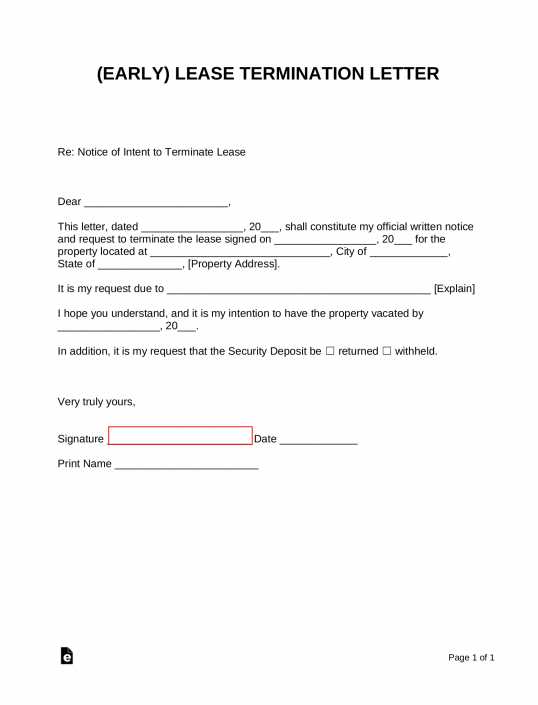
Your first option is to provide the landlord with a final written notice stating that you consider the continuing habitability and safety issues, together with the unresolved ceiling leak and prior code violations, to be material breaches of the lease. In that notice, identify the outstanding problems, reference your prior repair requests and the code enforcement findings, and state that if the conditions are not corrected by a reasonable deadline, you will treat the lease as terminated and vacate on your intended move-out date. Keep copies of the notice and send it in a manner that confirms delivery. Continue documenting the property's condition before you leave, including a thorough move-out video and photographs.
Another option may be to continue working through the county Code Enforcement office before moving out. Since they have already investigated some of the issues, ask whether the current ceiling leak and any additional plumbing or permit concerns should be included in their ongoing investigation, and request copies of any inspection reports or notices issued to the landlord. Those official records can be valuable if the landlord later claims you had no legal basis for terminating the lease or seeks damages for breaking it early.
One final option is to remain in the home while continuing to pay rent and pursue enforcement of the landlord's repair obligations until the issues are corrected or until the lease expires. This approach minimizes the risk that the landlord later argues you abandoned the lease without sufficient legal justification. If you choose this route, continue reporting each unresolved problem in writing, preserve every communication, request written updates regarding repairs, and maintain copies of all inspection reports and photographs so there is a complete record of the landlord's response, or lack of response.
Based on the facts you shared, the strongest starting point appears to be the first option, combined with preserving the evidence you already have and obtaining the final code enforcement documentation before you move. You have described repeated safety concerns, alleged code violations, a repair that has remained outstanding for approximately three weeks after notice, and substantial documentation supporting your position. No one can guarantee how a court would rule, because the outcome depends on the severity of the conditions, the reasonableness of the landlord's response, and the specific evidence presented. However, your documented history places you in a much stronger position than a tenant who has only verbal complaints.
I first notified him about the slab leak in May of 2025, and he called the plumber immediately. I notified him of the water heater in May of 2025 as well, and then again about it being out of code last month, which he had replaced after I called code.
I think our messages may have just crossed each other. Please let me know if you received it. If it's not showing on your end, please just let me know and I will resend it. Thanks.
I got your message, thank you. I can send the letter to him, and I think he will fix it at this point because I have the county involved, but because of the multiple violations and him now becoming disrespectful to my family, I wanted to see if I could go directly to termination. If I send option #1 to him, how long will he have to get this new issue fixed, and how can I leverage any of the past issues to get him to release me willingly?
You certainly can use the history of past problems as part of your argument. In fact, I would not frame this as being based solely on the ceiling leak. I would present it as a pattern of repeated material breaches over the course of your tenancy. That pattern includes the slab leak, the use of allegedly unlicensed workers for major plumbing work, the water heater code violation that was not corrected until code enforcement became involved, the current unrepaired ceiling leak despite 21 days' notice, and the ongoing involvement of county Code Enforcement. A court generally looks at the totality of the circumstances rather than viewing each incident in isolation.
Georgia law does not establish a fixed number of days, such as 7, 14, or 30, that a landlord automatically has to repair every defect before a tenant may terminate a lease. The standard is whether the landlord has had reasonable notice and a reasonable opportunity to make the repair. Since you have already given notice of the ceiling leak approximately 21 days ago, you have a good argument that he has already had a reasonable opportunity if the leak is significant and remains unaddressed. If you decide to send one final notice, I would not necessarily give another 30 days. Given the existing delay and history, a shorter deadline, such as 7 to 10 days to schedule and complete the repair or provide a firm repair date, would generally appear reasonable under these facts.
If your goal is to be released voluntarily, I would make the letter firm but professional rather than confrontational. Explain that because of the repeated habitability and safety issues, the documented code violations, the unresolved leak, and the breakdown of the landlord-tenant relationship, you no longer have confidence that the property will be maintained in a safe and lawful condition. State that you would prefer to resolve the matter amicably by agreeing to terminate the lease effective your intended move-out date, with the understanding that you will leave the property in good condition and cooperate with showings or a new tenant if requested. That gives him an opportunity to avoid further disputes and potential litigation.
From a practical standpoint, the landlord also has something to consider. If you move out and he later sues for the remaining rent, you would be able to present all of your documentation, the code enforcement reports, photographs, videos, and communications to support your position that he materially breached the lease first. In addition, Georgia landlords generally have a duty to make reasonable efforts to mitigate damages by attempting to re-rent the property rather than simply allowing it to sit vacant while seeking all remaining rent from the former tenant. That reality often creates an incentive for both sides to negotiate a mutual lease termination rather than litigate.
Based on everything you've described, I believe your strongest strategy is to use the cumulative history of the violations, not just the latest leak, and request a mutual release effective your intended move-out date. If he refuses, you will have created a clear written record showing that you gave him every reasonable opportunity to resolve the situation before terminating the tenancy. While no attorney can guarantee how a court would rule, your extensive documentation and the involvement of county code enforcement make your position substantially stronger than if this were based on a single unresolved repair. Does all of that make sense to you?
Yes, it makes sense. So if he agrees to repair, is that enough for him legally to keep me in the lease even with the history and totality of the issues? Also, does he just have to agree to repair, or must he give me the schedule, company name, and when the repair would start? Lastly, does he just have to agree to repair, or is it when the repair begins, because he could agree to repair then schedule it another three weeks out?
Yes. Overall, I like your chances, and I would not be concerned. I very much hope this resolves quickly. I want to make sure everything is clear and that you're comfortable with the information I've shared. Is there anything you'd like me to clarify or any other questions I can help with? If everything makes sense, please reply "all clear." I'm always happy to answer any other questions.
So if he agrees to repair, is that enough for him legally to keep me in the lease even with the history and totality of the issues? Also, does he just have to agree to repair, or must he give me the schedule, company name, and when the repair would start? Lastly, does he just have to agree to repair, or is it when the repair begins, because he could agree to repair then schedule it another three weeks out?
If the landlord agrees to repair, it doesn't automatically mean you must remain in the lease, especially given the history of issues. The key is whether the repairs are made in a timely and satisfactory manner. Legally, simply agreeing to repair isn't enough. The landlord should provide a clear timeline, including when the repairs will start and who will perform them. This shows a genuine commitment to resolving the issues. If the landlord only agrees to repair but delays the actual work, it may not be considered a reasonable effort to rectify the situation. The repairs should begin promptly, and any significant delay without a valid reason could still support your case for termination. I hope this helps clarify things! If you have any more questions or need further assistance, feel free to ask.
And if he doesn't repair, or doesn't have the repairs done in a reasonable timeframe, do I continue to move out based on the letter I sent him, or would I have to wait for any more communication from the landlord?
If the landlord doesn't repair or fails to complete the repairs within a reasonable timeframe, you can proceed with your plan to move out based on the letter you sent. Since you've documented the issues and given the landlord a fair opportunity to address them, you have a strong position to argue that the lease was materially breached. You don't necessarily need to wait for further communication from the landlord if they haven't acted within the timeframe you specified. Just ensure you have all your documentation in order, including the letter, any responses (or lack thereof), and evidence of the issues. If you have any more questions or need further assistance, please let me know.
Ok, thank you.
Most welcome. Thank you so much for sharing your questions with me. I truly appreciate the opportunity to assist you, and I am very glad you reached out. If you have any additional questions, now or later, I am here to help and happy to support you further.
Disclaimer
By messaging FreeLegalAdvice.com, you agree to our Terms and have read our Privacy Policy.
The information provided on AskaLawyer.com is for general informational purposes only and does not constitute legal advice. While we strive to ensure the accuracy and timeliness of the information presented, we make no guarantees regarding its completeness or applicability to your specific circumstances.
Use of this website does not create an attorney-client relationship between you and FreeLegalAdvice.com or any of its attorneys. Communications through this website, including any responses from attorneys, are not privileged or confidential. For advice tailored to your individual situation, we recommend consulting a licensed attorney in your jurisdiction.
FreeLegalAdvice.com disclaims any liability for actions taken or not taken based on the content of this site. We are not responsible for any third-party content that may be accessed through this website. Reliance on any information provided herein is solely at your own risk.


