
 Upgrade plan
 Cancel plan
 Settings
 Change Password
 Contact Us
[IN] What can a tenant do if a landlord won’t respond to mold complaints or provide move-out terms?
 19
19
 9
9



Full conversation
Location: Allen County, Indiana. We are renting a manufactured home that we discovered has been making my wife sick due to preexisting mold underneath the home that has been releasing mycotoxins and spores into the inside air. It took us a while to figure out it was the house and not her having a flu or virus. She has been sick since about the third day we moved in at the beginning of April. Once we discovered the mold, it took a while to find mold inspectors who would come do testing, but we found two who helped us identify the specific section of mold that made my wife react with symptoms strongly.
When we informed the landlord by both certified letter and email, providing him with the test results and asking for remediation, he responded to the email and feigned ignorance, asking what we were looking for out of this, despite our email being as clear as possible that we were seeking professional remediation that followed the inspector's guidance. We asked him to tell us what company he would use, what dates the work would be done, and asked for acknowledgment by two days after the email. Instead, he offered to let us out of our lease, out of "concern for our health," and we asked for the terms of how that would work, including whether he was offering any amount of relocation costs, since he claimed he was offering this out of goodwill.
He then spent 13 days ignoring our questions, and when we emailed again asking him to answer, he replied, "This is what I have to give, nothing more, nothing less," which is confusing, because he did not explain anything except that we would need to move out by July 31st and there would be a release form to sign. He still has not explained anything to us, but tried to press us for a "prompt response." We told him that without being provided the terms and release form, there was nothing to agree to until he sends the information we asked for.
We first informed him of the mold on June 24th, so he is past two weeks of doing nothing to fix the mold or explain move-out terms. He also seems to be intentionally running out the clock he gave us to July 31st by ignoring our questions and dodging responsibility to repair the home to a habitable state.
At this point, because of his unethical behavior up to now and the state of the rest of the house, which has more problems than just mold, including unsafe dryer ventilation with the vent just dangling below the house with no ventilation to outside (which we also brought up to him, and he said, "thank you for bringing that up, we'll be doing those after I get back from vacation," which we believe implies other properties are also in this safety violation), the water meter being located underneath the house that they keep coming to read without notice, scaring my wife because of the sudden loud noise of him pulling away the skirting (last time scaring her awake to it because they came before normal business hours), there is significant water damage and water leaking inside the front door when it rains (which they planned to fix, but the inspector advised us to tell him to wait until he addressed the mold, or my wife could get more sick because they have to repair water-damaged flooring), there is a large hole that pools water underneath the house located right next to the water meter, meaning they knew about it before we moved in since they check the meter every month, and several other issues.
Our last communication was emailing to ask one more time for him to give us the release form by yesterday's date and to answer our questions by today's date, and he has not responded at all.
- What should we do about the fact that he is continually ignoring our questions about move-out terms, despite us asking three times over the last three weeks?
- If he does provide terms, including the release form, how could we go about still moving out if we can't agree to his terms? We expect he won't show us the release form, because it would include us waiving rights or claims, and we are unwilling to sign anything that does.
- Because it's Indiana, we're having trouble finding legal help for landlord-tenant issues and have contacted the bar association but can't get a hold of them. We think we're at the point of needing legal guidance but don't know where to turn, and we don't qualify for Indiana Legal Services. What type of lawyer should we be looking for, and could you give any guidance or resources on who to contact, or if there are any lawyers who could at least provide us guidance to represent ourselves in court if necessary? What we need at the moment is just to understand what our current options are and what to say to our landlord next, since he still won't reply.


I'm really sorry to hear about the difficult situation you and your wife are facing with the mold and your landlord's lack of response. Have you documented all your communications with the landlord regarding the mold and your requests for remediation?
Yes, we sent a certified letter that included the professional inspection reports detailing what work needed to be done to remediate the mold, and all our communication has been by email.
Have you already sought any medical advice or documentation regarding your wife's health issues related to the mold exposure?
No, because at first we thought it was just flu or a virus. Since then, symptoms come and go based on when the mold is actively growing, and it's been hard to get to a doctor while she's actively having symptoms they could see or document. She also doesn't have a primary care doctor and wouldn't be able to be seen by one for several months, so her only option is to go to immediate care.
Is there anything else the landlord-tenant lawyer should know before I connect you? Rest assured, they'll be able to help with your mold issue.
We last told the landlord this morning that we want to move out, that we believe he wants us out, so we want to come to an amicable agreement, but we can't do that without the information we asked for. We also asked for a portion of relocation costs, since it would be difficult for us to afford moving, and we believe covering application fees, security deposit, and any applicable admin fees would be a fraction of compensation for the ongoing health issues and undue stress he's causing us by ignoring us and doing nothing to fix the problem. We asked for a response by the end of today, at least acknowledging willingness to negotiate release terms, or we would take his silence as agreement that he will hire professional remediation.
Hey there! I'm Andres Sanchez, an attorney with many years of experience helping with landlord-tenant issues. I understand you're dealing with a situation where mold in your rental is affecting your wife's health, and your landlord is not responding to your requests for remediation or move-out terms. Have you considered any legal steps to address this situation?
That's why we are reaching out through here; we're not sure what our legal options are. Friday next week will mark 30 days since we first notified him about the mold, and if he doesn't either come to terms with us about moving out or get remediation done before the end of next week, we're not sure what we're allowed to do.
Have you received any formal notices or deadlines from your landlord regarding the mold issue or your lease termination?
All he would tell us is that he was offering us to move out before July 31st, since we paid this month's rent, and that there would be a release form to sign.
Got it, thanks for sharing that. Have you considered reaching out to any local tenant advocacy groups or housing authorities for assistance with your situation?
He said, "That's what I have to offer, nothing more, nothing less," but we don't even know what that means.
I understand how confusing that must be. Have you tried contacting any local tenant advocacy groups or housing authorities? They might be able to provide guidance and support in dealing with your landlord.
We have considered reaching out to file a complaint with the health department to force him to do something about the mold, which we'll do if we have to stay, but we really want to move out at this point, considering his unethical behavior and the many other things that are wrong with the house.
Based on your situation, there are several legal arguments and tenant protection laws in Indiana that could potentially support your case:
Implied Warranty of Habitability: In Indiana, landlords are required to maintain rental properties in a habitable condition under Ind. Code § 32-31-8-5, which sets out specific landlord obligations, including delivering the unit in a safe, clean, and habitable condition and complying with applicable health and housing codes. This includes addressing issues like mold that can affect the health and safety of tenants. If the landlord fails to do so, it could be considered a breach of this warranty.
Constructive Eviction: If a rental property becomes uninhabitable due to conditions like mold, and the landlord fails to remedy the situation, tenants may have grounds for constructive eviction, a common-law doctrine (not a single Indiana statute) that can allow a tenant to treat the lease as terminated without penalty when a landlord's failure to maintain the property effectively deprives the tenant of the use of the home.
Tenant's Right to Repair and Deduct: While Indiana does not have a specific statute allowing tenants to repair and deduct, tenants may still have some recourse if they can demonstrate that the landlord's negligence has made the property uninhabitable.
Retaliatory Eviction: If a landlord attempts to evict a tenant in response to complaints about habitability issues, it may be considered retaliatory eviction, which is prohibited under Indiana's retaliation statute, Ind. Code § 32-31-8.5. That chapter protects tenants who complain in writing to a landlord about violations of the landlord's habitability obligations, and bars a landlord from raising rent, cutting services, or moving to evict because of that protected complaint.
With constructive eviction, though, our understanding is we'd have to move out very quickly or immediately, but we're unable to manage doing that so fast; we'd have nowhere to go. But from my understanding it could apply to our situation, because my wife is unable to enter an entire half of the house because of where the mold is, and the inspector confirmed through dust samples that it's in the air too. He said that when the mold is actively growing is likely when she is experiencing symptoms in the rest of the house.
We do know the rights you mentioned, but we definitely need guidance on next steps.
I understand your concern about needing to move out quickly under constructive eviction. Let's explore your options:
- Document everything. Continue to keep detailed records of all communications with your landlord, including emails and certified letters. Document any health issues your wife experiences, even if it's just in a personal log, as this can be useful later.
- File a complaint. Consider filing a complaint with the local health department about the mold. This can prompt an inspection and potentially force your landlord to take action.
- Seek legal advice. Since you're having trouble finding legal help, try reaching out to local tenant advocacy groups or housing authorities. They might offer free or low-cost legal advice.
- Consider constructive eviction. If the property is uninhabitable, you might have grounds for constructive eviction. However, this typically requires moving out quickly. If this isn't feasible, focus on negotiating with your landlord for a reasonable timeline.
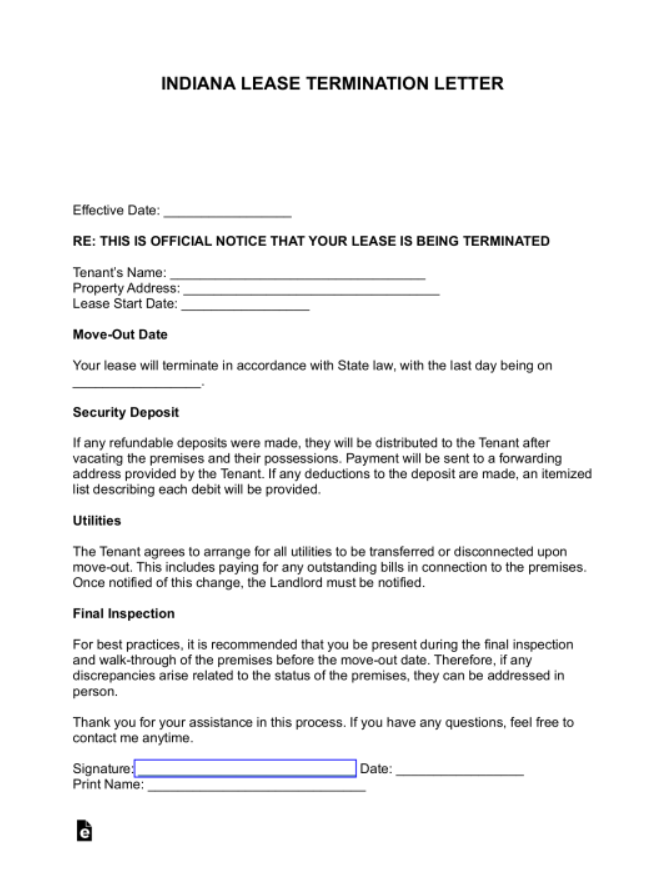
- Negotiate with your landlord. Continue to push for a clear agreement on move-out terms. If your landlord remains unresponsive, consider sending a formal letter outlining your concerns and proposed terms.
- Explore temporary solutions. If moving out immediately isn't possible, look into temporary housing options or staying with friends or family until the situation is resolved.
Disclaimer
By messaging FreeLegalAdvice.com, you agree to our Terms and have read our Privacy Policy.
The information provided on AskaLawyer.com is for general informational purposes only and does not constitute legal advice. While we strive to ensure the accuracy and timeliness of the information presented, we make no guarantees regarding its completeness or applicability to your specific circumstances.
Use of this website does not create an attorney-client relationship between you and FreeLegalAdvice.com or any of its attorneys. Communications through this website, including any responses from attorneys, are not privileged or confidential. For advice tailored to your individual situation, we recommend consulting a licensed attorney in your jurisdiction.
FreeLegalAdvice.com disclaims any liability for actions taken or not taken based on the content of this site. We are not responsible for any third-party content that may be accessed through this website. Reliance on any information provided herein is solely at your own risk.


