
 Upgrade plan
 Cancel plan
 Settings
 Change Password
 Contact Us
[FL] How long does an insurance company have to process a death claim on a joint policy?
 16
 5



Full conversation
I have been trying to get information regarding how a hybrid long-term care (LTC) and life insurance policy works. My mom would be the insured now, but it was a joint policy with my dad, whose death I reported to them on 2 July. At that time, I also submitted DPOA paperwork (so I am attorney-in-fact for my mom) to allow me to have access to information regarding the policy. Per a call today, on 23 July, I was informed the DPOA has still not been reviewed. Additionally, after three weeks they have not processed the death, which was reported both through their online process and by phone. They now want an additional 15 business days to mail out claim forms to my mom, and approximately 20 business days to process them once they receive them. As this policy is for an insured in Florida and the DPOA was created under Florida law, I believe Florida Statute 709.2120 may be relevant. What Florida laws may apply for the time frame an insurer has to process a death notification and any claims related to a death?


I’m sorry to hear about the challenges you’re facing with your mom’s insurance policy during this difficult time. Can you please confirm if you have already received any written communication from the insurance company regarding their processing timelines?
They have not provided any written correspondence so far.
Have you attempted to escalate the issue with a supervisor or a claims manager at the insurance company?
Yes, they say those departments do not communicate by phone, and that I will need to mail their general PO Box to contact them.
Is there anything else the Lawyer should know before I connect you? Rest assured they’ll be able to help with your insurance claim delay.
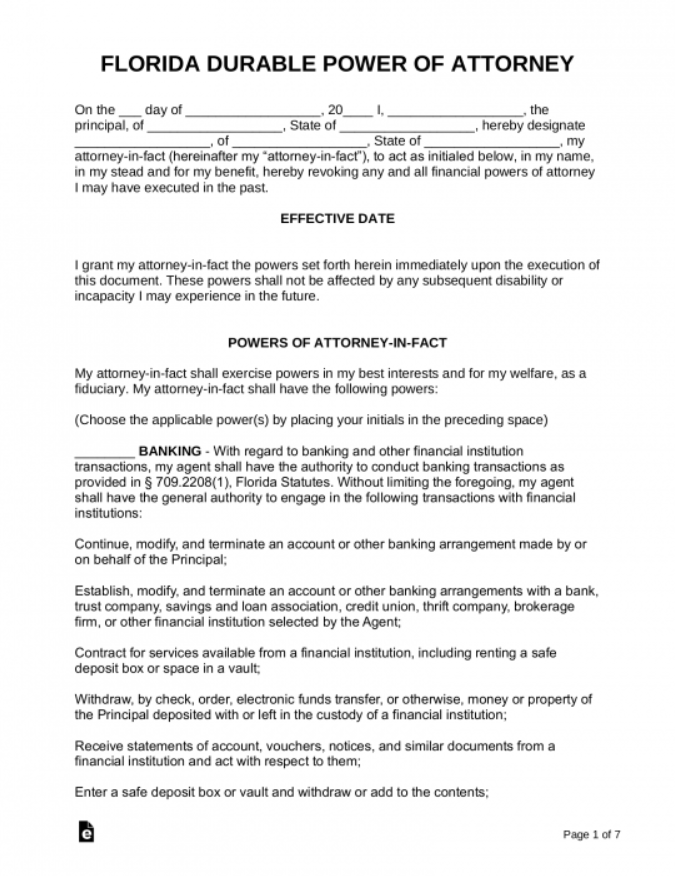
There is language in the DPOA itself: “A THIRD PARTY WHO IMPROPERLY REFUSES TO ACCEPT THIS POWER OF ATTORNEY WILL BE LIABLE FOR DAMAGES, INCLUDING REASONABLE ATTORNEY FEES AND COSTS, INCURRED IN ANY ACTION OR PROCEEDING THAT CONFIRMS THE VALIDITY OF THIS POWER OF ATTORNEY.”

Hey there! Welcome to our service. I’m Andres Sanchez, an attorney with many years of experience. No attorney-client relationship is formed from our conversation. I understand you’re dealing with a situation involving a hybrid long-term care and life insurance policy for your mom, and there have been delays in processing your dad’s death notification. Could you provide more details about any steps you’ve already taken or considered regarding this situation?
It has just been the initial online notification and a phone call (I attempted to understand more of the policy at that time, then got instructions on how to submit the DPOA). I submitted the DPOA back on 2 July 2026. I followed up today, on 23 July 2026, by phone. No other steps have been taken, other than starting to draft a follow-up e-mail, but I wanted more guidance before sending it, as well as what steps I should take at this time.
Could you let me know if the insurance company mentioned any specific deadlines or statutes that apply to processing the death notification and claims?
They have not. The deadlines would be in the claims package, and the representative on the phone said they do not know the details of what would be in that package. That package is the one they neglected to send out upon the notification, and their 15-business-day process will start today, not from the original notification.
Thanks for clarifying that. It sounds like the insurance company is delaying the process by not sending the claims package promptly. Could you tell me if there have been any other communications or responses from the insurance company regarding the delay, aside from what you’ve already mentioned?
Those are all. Since it is a joint policy that may not immediately end or pay anything out, I was not checking on this as much as other matters, thinking maybe they had processed it with the information I provided online. Since it is hybrid long-term care insurance, the interest is also to get it adjusted for her to be covered, as she likely has care needs coming up soon.
Based on your situation, there are several legal arguments and considerations in Florida that could potentially support your case:
Florida Statute 709.2120, which you mentioned, is relevant here. It requires a third person to accept or reject a power of attorney within a reasonable time, and it states that a third party who improperly refuses to accept a power of attorney may be liable for damages, including reasonable attorney fees and costs. This means that if the insurance company is not recognizing your authority under the DPOA, they could potentially face legal consequences.
Additionally, Florida insurance laws generally require insurers to act in good faith and process claims promptly. Under Florida’s Unfair Insurance Trade Practices Act, Florida Statute 626.9541(1)(i), failing to acknowledge and act promptly on communications about a claim is an unfair claim settlement practice, and Florida Statute 624.155 gives policyholders a civil remedy against insurers that fail to settle claims in good faith. For the life insurance portion of the policy, Florida Statute 627.461 requires settlement upon receipt of due proof of death, and Florida Statute 627.4615 requires interest on lump-sum death proceeds from the date the insurer receives written due proof of death. While specific timeframes can vary, unreasonable delays in processing claims or acknowledging a death notification could be seen as a breach of these obligations.
Are there any established time frames for accepting (or rejecting) a DPOA by an insurance company? For financial institutions, my understanding is that it’s four business days. That is why I was surprised it’s supposedly still in review after 21 calendar days, but they are technically not a financial institution.
Regarding your question about time frames for accepting a DPOA, insurance companies are not bound by the same four-business-day rule that applies to financial institutions. However, they are expected to act in a reasonable time frame, and 21 days seems excessive without any communication.
Here’s a structured approach to address your situation:
- Follow Up with the Insurance Company
Contact the insurance company again and request a specific timeline for when they will review and accept the DPOA. Mention that the delay is causing significant inconvenience and stress. - Document Everything
Keep a detailed record of all communications with the insurance company, including dates, times, and the names of representatives you speak with. This documentation can be crucial if you need to escalate the issue. - Send a Formal Letter
Consider sending a formal letter to the insurance company outlining the delays and your concerns. Include a copy of the DPOA and any other relevant documents. Request a written response within a specific time frame. - Consult Florida Statutes
Review Florida Statute 709.2120 and any other relevant laws to understand your rights and the insurance company’s obligations. This can help you make a stronger case if you need to take further action. - Consider Legal Action
If the insurance company continues to delay, you may need to consult with an attorney who specializes in insurance law. They can advise you on potential legal actions, such as filing a complaint with the Florida Department of Financial Services or pursuing a lawsuit for breach of contract.
Please let me know if you have further questions.
Disclaimer
By messaging FreeLegalAdvice.com, you agree to our Terms and have read our Privacy Policy.
The information provided on AskaLawyer.com is for general informational purposes only and does not constitute legal advice. While we strive to ensure the accuracy and timeliness of the information presented, we make no guarantees regarding its completeness or applicability to your specific circumstances.
Use of this website does not create an attorney-client relationship between you and FreeLegalAdvice.com or any of its attorneys. Communications through this website, including any responses from attorneys, are not privileged or confidential. For advice tailored to your individual situation, we recommend consulting a licensed attorney in your jurisdiction.
FreeLegalAdvice.com disclaims any liability for actions taken or not taken based on the content of this site. We are not responsible for any third-party content that may be accessed through this website. Reliance on any information provided herein is solely at your own risk.


