
 Upgrade plan
 Cancel plan
 Settings
 Change Password
 Contact Us
[FL] Can an employee sue for fraudulent inducement after job stability assurances and a layoff weeks later?
 24
 9



Full conversation
I am seeking legal representation regarding potential claims for fraudulent inducement, negligent misrepresentation, promissory estoppel, detrimental reliance, and any other applicable causes of action arising from representations made during my recruitment and hiring.
I was previously employed by a related facility that unexpectedly ceased operations. Approximately two weeks after that closure, I was contacted by the Executive Director and Clinical Director of the sister facility, who actively solicited and recruited me to join their organization. At the time of recruitment, I had two other employment opportunities that were actively progressing through the hiring process, including background checks. During my discussions with management, I specifically disclosed that I had recently experienced the closure of my previous workplace and emphasized that job stability was a material factor in my decision to accept any future employment. I expressly advised management that I would not accept their offer if there was a likelihood that the facility would experience financial instability, downsizing, or closure in the near future. Rather than encouraging me to continue pursuing my other opportunities, I was instructed by the Clinical Director not to accept any other positions. I have preserved a voicemail and transcript documenting this communication. In reasonable reliance upon the representations and assurances made during the recruitment process, I declined the other employment opportunities and accepted the company’s offer of employment.
On my first day of employment, I informed the Executive Director that I had declined two other job opportunities in order to accept employment with the company. Management was therefore aware that I had materially relied upon their recruitment efforts and representations when making my employment decision. Within approximately one month of my employment, management began openly discussing the company’s financial condition during staff meetings. The Executive Director advised employees that the company had incurred excessive expenses during the month preceding my hire and that immediate cost-reduction measures would be implemented. Thereafter, the company undertook a series of operational changes, including downsizing within the nursing department, eliminating company transportation vehicles, discontinuing patient outings, outsourcing transportation services, and reducing operational expenses.
I was also informed that management intended to significantly reduce the facility’s patient census. Based upon my prior experience at the related facility, where I successfully managed a comparable caseload as the sole case manager, I believed these actions would likely result in the elimination of one of the two case manager positions. Less than two months after accepting employment, I was abruptly terminated. The stated reason for my termination was “downsizing.”
Following my termination, the remaining case manager informed me that employees had been advised the facility would permanently close effective July 1, 2026. Based upon the sequence of events, I am concerned that the company may have been aware, or should have been aware, of its financial instability, restructuring plans, downsizing, and/or potential closure during the recruitment process, yet failed to disclose those material facts despite my direct inquiries regarding job security. Instead, I relied upon representations that induced me to forgo two other employment opportunities.
As a direct and proximate result of my reliance upon those representations, I suffered damages, including the loss of alternative employment opportunities, lost wages, loss of employment stability, and other economic losses. Had I been provided truthful and complete information regarding the company’s financial condition or anticipated restructuring, I would not have accepted employment and instead would have pursued one of the other available positions. I respectfully request an evaluation of whether these facts support claims under Florida law, including fraudulent inducement, negligent misrepresentation, promissory estoppel, detrimental reliance, fraudulent concealment (if supported by the evidence), or any other applicable statutory or common-law causes of action.


I’m sorry to hear about your challenging situation; it sounds very frustrating. Have you already consulted with any legal professionals regarding this matter?
No
Can you provide details about any written communications or agreements you had with the company during the recruitment process?
Yes
Is there anything else the Employment Lawyer should know before I connect you? Rest assured they’ll be able to help with your wrongful termination.
No.

Hello, and welcome to our service. My name is Daniel, and I’ve been a licensed attorney for over 22 years. I’m sorry you’re dealing with this situation, and I’ll do everything I can to help. It sounds like you were recruited under false pretenses and terminated due to downsizing shortly after. Is that right?
Yes
What’s your main concern right now? What outcome do you have in mind?
A separation agreement along with a severance has been provided to me, however I have not signed it as of yet because I feel like the severance amount is very low considering that this is the second time within a two months span that this has happened this organization. I believe that I am entitled to request more severance or even a larger settlement due to damages stress, financial strain and instability. Had I known this would happen again within a two month span I would have accepted one of the other offers that I was being considered for.
Please give me a moment to review that. Thank you for your patience.
No problem thank you.
What you are describing is a situation where the timing, recruitment communications, and rapid sequence of events may matter more than the formal job offer itself. In employment law, claims like fraudulent inducement, negligent misrepresentation, promissory estoppel (which means you relied on a promise to your detriment), and fraudulent concealment can arise when an employer makes material statements during recruitment that a candidate reasonably relies on in deciding to leave or decline other opportunities. The key issue is whether you were given incomplete or misleading information about job stability or known financial risks at the time you were recruited, and whether that reliance directly caused you measurable losses. Based on what you described, you do have several structured options available.
Your first option is to use your documented reliance and communications to strengthen a direct request for an enhanced severance package under the current separation agreement. This means responding in writing before signing anything, clearly explaining that you declined two other opportunities based on specific assurances and that the termination within such a short timeframe materially changed your position. You would want to attach or reference the voicemail and transcript, outline your lost opportunities and lost wages in concrete terms, and request a higher severance tied to a release of claims. This approach focuses on resolving the matter quickly while using your factual record as leverage without escalating the dispute further.
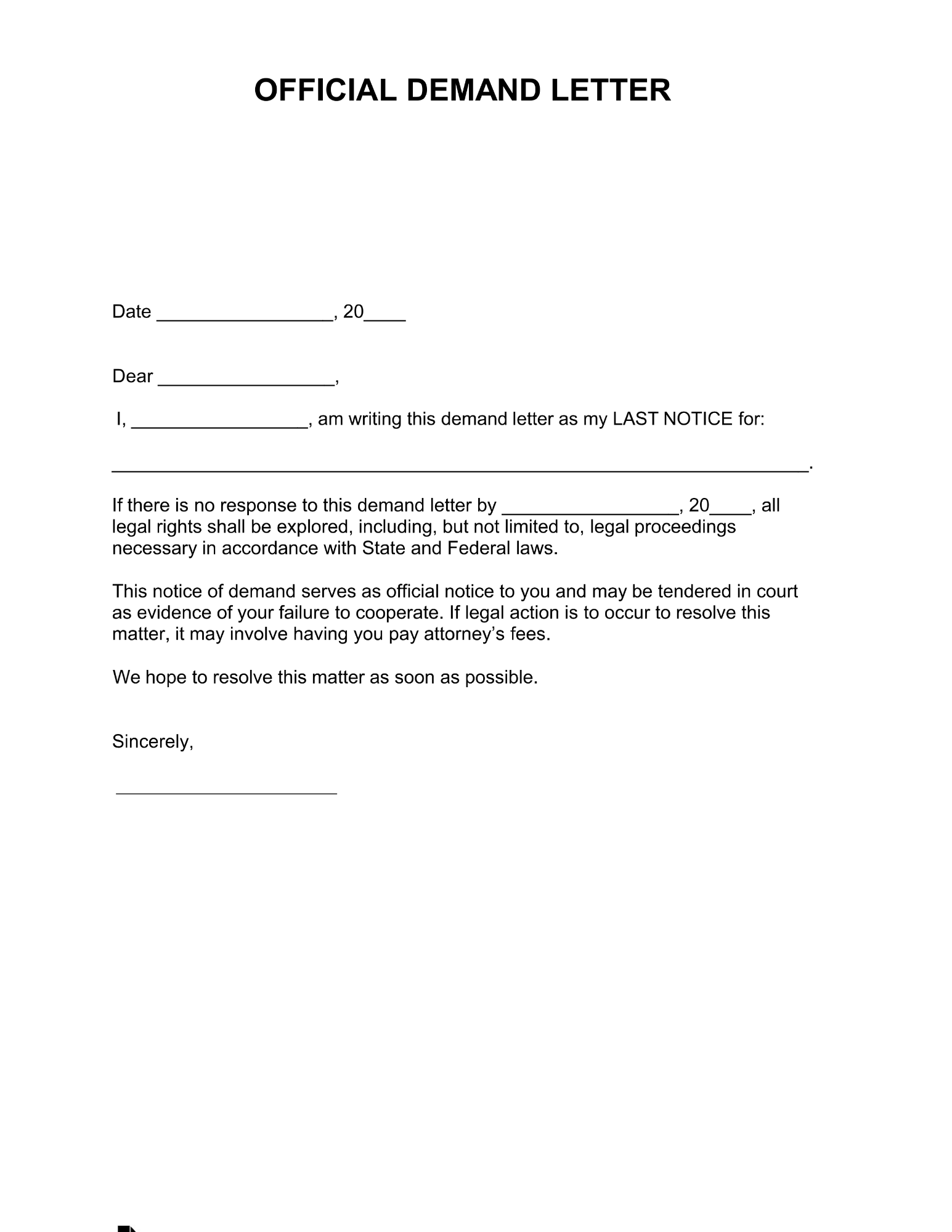
Another option may be to formally assert your reliance-based claims in a structured written demand to the company. In that communication, you would lay out the recruitment timeline, the specific assurances you were given, the instruction not to pursue other roles, and the rapid downsizing followed by termination. The goal here is to frame the situation as potential misrepresentation and detrimental reliance, and to quantify your damages, including foregone job offers and income loss. You would request either a revised severance agreement or a negotiated settlement amount that reflects those losses. This approach is more assertive and places the company on notice that the separation agreement undervalues the situation as presented.
You could also consider moving forward with your claims in civil court if the facts are supported by the evidence and the separation agreement is rejected or not adequately resolved. This would involve presenting the recruitment communications, voicemail evidence, timing of financial disclosures, and termination shortly after hire to support claims such as fraudulent inducement or negligent misrepresentation. The remedy you would be seeking would generally focus on monetary damages, including lost wages and the value of the job opportunities you declined. This path is more formal and typically follows if negotiation does not produce a fair resolution. In Florida, a legal or equitable action founded on fraud generally must be filed within four years under (FL Stat § 95.11(3)), and under (FL Stat § 95.031(2)(a)), that period runs from when the facts giving rise to the claim were discovered or should have been discovered with due diligence.
The most effective option in your situation is usually the first one, starting with a strategically framed severance negotiation before signing anything. The reason is that your strongest leverage is the company’s desire to obtain a release of liability while you still hold documented evidence of reliance and early termination after recruitment assurances. At the same time, the key uncertainty is how clearly the voicemail and other communications show a concrete promise of stability versus general hiring optimism, which can affect the strength of any broader claims. Please let me know if these options make sense to you. I am happy to explain anything further. It’s important to me that you fully understand your choices.
Yes, these options make sense. When drafting the letter is there any specific words I should use? Is this letter something that you can help me draft?
Here’s how you can draft a letter to negotiate a better severance package:
- Start by clearly stating your purpose for writing the letter. Mention that you are writing to discuss the severance package offered and your concerns about its adequacy given the circumstances of your termination.
- Briefly outline the timeline of events, including your recruitment, the assurances given about job stability, and the subsequent termination. Mention the voicemail and transcript you have as evidence of the assurances given.
- Clearly state why you believe the severance package is inadequate. Highlight the financial and emotional impact of the termination, especially considering the short time frame and the fact that you declined other job offers based on the company’s assurances.
- Politely request a revision of the severance package. Specify what you believe would be a fair adjustment, whether it’s an increased severance amount or additional benefits.
- Mention any documentation you have that supports your claims, such as the voicemail, transcript, and any written communications that demonstrate the assurances given during recruitment.
- End the letter by expressing your hope for a fair resolution and your willingness to discuss the matter further. Provide your contact information for follow-up.
Remember to keep the tone professional and respectful throughout the letter. If you need help drafting specific sections or wording, feel free to ask. I want to make sure everything is clear and that you’re comfortable with the information I’ve shared. Is there anything you’d like me to clarify or any other questions I can help with?
This is what I’ve written:
Subject: Request to Reconsider Severance Package
Dear HR [business name redacted],
I appreciate the opportunity to have worked with the facility and the professionalism shown during my employment. I am writing regarding the severance package that was offered following my termination and to respectfully request that the company reconsider the amount in light of the circumstances surrounding my recruitment and separation.
Following the closure of the sister facility where I had previously worked, I was contacted by the Executive Director and Clinical Director and actively recruited to join the facility. At that time, I had two other employment opportunities that were progressing through the hiring process, including background checks.
Because I had recently experienced the closure of my previous workplace, I specifically expressed my concerns regarding job stability. I explained that I did not want to leave other opportunities only to find myself unemployed again in a short period of time. During the recruitment process, I was encouraged to accept employment with the facility rather than pursue my other opportunities. I have retained a voicemail and transcript documenting portions of those communications.
In reliance upon those representations, I declined the other employment opportunities and accepted the position with the facility. On my first day of employment, I informed the Executive Director that I had turned down two other positions in order to join the company.
Within weeks of beginning employment, management discussed financial concerns and implemented a series of cost-cutting measures, including departmental reductions and operational changes. Less than two months after my employment began, I was informed that my position was being eliminated due to downsizing. I have since learned that the facility is expected to cease operations shortly thereafter.
While I understand that businesses sometimes face unforeseen financial challenges, the circumstances of my recruitment and subsequent termination placed me in a significantly worse position than I would have been had I accepted one of the other employment opportunities available to me. I relied upon the representations made during the hiring process when making an important career decision, and that reliance resulted in the loss of other employment opportunities and financial hardship.
It is my understanding that these circumstances may give rise to potential legal claims, including claims related to detrimental reliance, promissory estoppel, negligent misrepresentation, and fraudulent inducement. My intention, however, is to resolve this matter amicably and without the need for further legal action.
With that goal in mind, I respectfully request that the company reconsider the severance package and increase the severance payment to $5,000. This amount would assist me in covering approximately one month’s income while I secure new employment and would allow both parties to resolve this matter fairly and efficiently.
I am hopeful that we can reach a mutually agreeable resolution. I appreciate your consideration and welcome the opportunity to discuss this request further before I make any decisions regarding the separation agreement.
Thank you for your time and consideration.
Sincerely,
[name redacted]
Looks good. I very much hope this resolves quickly.
Thank you so much for sharing your questions with me. I truly appreciate the opportunity to assist you and I am very glad you reached out. If you have any additional questions, now or later, I am here to help and happy to support you further.
So the plot thickens I open my emails to send over the renegotiation and notice that there was an email stating that the severance agreement has now been rescinded. The reason being that was stated in the email is because the company is going through a financial hardship. Is this even legal? The severance was just sent to me on Monday and had to be edited the following day because they did not put the correct date of separation.
You may need to engage counsel to resume negotiations given that change of posture on their end.
How do you recommend I go about doing that please.
Your State Bar Association or the American Bar Association often offer referral services or legal aid programs that can provide free or affordable assistance. For private attorneys, websites like Avvo.com and Justia.com make it easier to search for lawyers near you, sorted by their specialties.
Do I have grounds for a lawsuit?
Based on what you’ve described, it seems like you may have grounds for a lawsuit, particularly if the company made representations that you relied upon to your detriment. Claims like fraudulent inducement, negligent misrepresentation, and promissory estoppel could be relevant here.
Disclaimer
By messaging FreeLegalAdvice.com, you agree to our Terms and have read our Privacy Policy.
The information provided on AskaLawyer.com is for general informational purposes only and does not constitute legal advice. While we strive to ensure the accuracy and timeliness of the information presented, we make no guarantees regarding its completeness or applicability to your specific circumstances.
Use of this website does not create an attorney-client relationship between you and FreeLegalAdvice.com or any of its attorneys. Communications through this website, including any responses from attorneys, are not privileged or confidential. For advice tailored to your individual situation, we recommend consulting a licensed attorney in your jurisdiction.
FreeLegalAdvice.com disclaims any liability for actions taken or not taken based on the content of this site. We are not responsible for any third-party content that may be accessed through this website. Reliance on any information provided herein is solely at your own risk.


