
 Upgrade plan
 Cancel plan
 Settings
 Change Password
 Contact Us
Can signing a settlement agreement waive your right to claim damages if a sewage backup happens again?
 13
 3



Full conversation
Hello, I need someone to review a settlement document that was sent to me by the water utility company where I live.


I understand that reviewing a settlement document can be quite important and concerning. Can you tell me if you have already signed any documents related to this settlement?
No.
What specific concerns or questions do you have about the settlement document?
I feel like this document will take away the ability for my family to claim future damages should something else happen.
Is there anything else the lawyer should know before I connect you? Rest assured they’ll be able to help with your settlement document review.
The settlement agreement is related to a sewage backup that occurred within our home. The water utility has taken responsibility for this incident and has properly mitigated our home’s exposure to the backup. They say they installed a pop-up valve that will prevent future backup incidents, but we have nothing in writing saying that. We would also like to make sure we have accounted for all avenues of loss that occur in a situation like this.

Hello, I’m an attorney who works in your area of law, and I’ll help you sort this out today. I’ve read what you shared, so let’s go over what’s happening and what your best next steps look like. What future claims, rights, or damages are you most concerned the settlement agreement may release, such as later sewage backups, hidden contamination, repair defects, health issues, personal property loss, loss of use, or reduced home value?
We are most concerned with potential hidden contamination, health issues, reduced home value, and accurate compensation for the loss.
And holding them accountable for future occurrences.
I’m unable to answer questions about documents or provide guidance on this case, but I can help with general information. What is it about this agreement that may be worrying you?
I feel like this document will take away the ability for my family to claim future damages should something else happen.
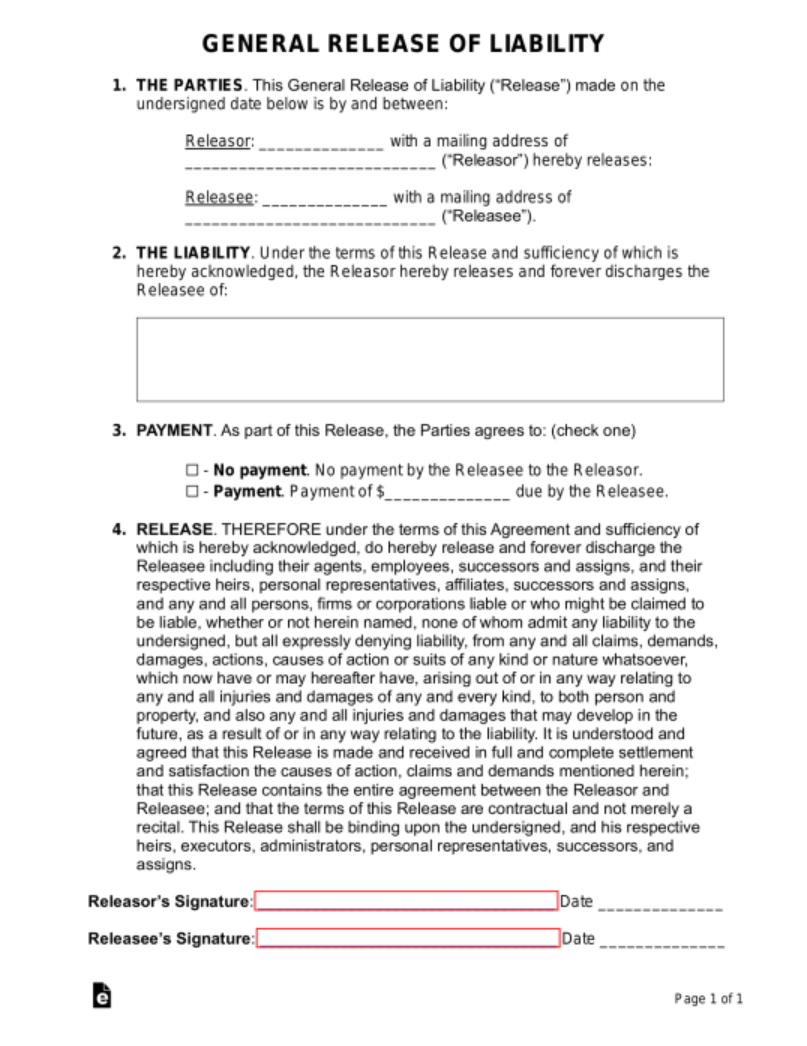
You should look closely for any release language that says you are giving up “all claims,” “future claims,” “unknown claims,” or claims for “any future backup” tied to the sewer line or valve.
A safer settlement usually limits the release to the specific sewage backup incident, the known damage from that incident, and the payment being made now.
You should also check whether the agreement admits the utility’s responsibility, explains what the payment covers, preserves your right to make a new claim if another backup occurs, and states who is responsible if the pop-up valve fails.
It is also reasonable to ask for written confirmation of what was installed, who installed it, what maintenance is required, and whether the utility stands behind that fix going forward.
Before signing, you can push back in writing and ask them to revise any broad release so it applies only to the past sewage backup and known damages from that event.
Disclaimer
By messaging FreeLegalAdvice.com, you agree to our Terms and have read our Privacy Policy.
The information provided on AskaLawyer.com is for general informational purposes only and does not constitute legal advice. While we strive to ensure the accuracy and timeliness of the information presented, we make no guarantees regarding its completeness or applicability to your specific circumstances.
Use of this website does not create an attorney-client relationship between you and FreeLegalAdvice.com or any of its attorneys. Communications through this website, including any responses from attorneys, are not privileged or confidential. For advice tailored to your individual situation, we recommend consulting a licensed attorney in your jurisdiction.
FreeLegalAdvice.com disclaims any liability for actions taken or not taken based on the content of this site. We are not responsible for any third-party content that may be accessed through this website. Reliance on any information provided herein is solely at your own risk.


