
 Upgrade plan
 Cancel plan
 Settings
 Change Password
 Contact Us
[SC] Can a tenant break a lease early for a job relocation when the lease has no early termination clause?
 14
 4



Full conversation
What rights do I have for early lease termination in South Carolina? My lease has no early termination clause.


I understand that dealing with lease agreements can be stressful. Have you already discussed your situation with your landlord?
Yes.
Are there any specific circumstances, such as job relocation or health issues, prompting your need for early termination?
Job relocation
Is there anything else the Landlord-Tenant Lawyer should know before I connect you? Rest assured they’ll be able to help with your lease termination.
No.

Greetings! I hope this message finds you well. I’m thrilled to have the opportunity to assist you with your situation and provide you with the support you need. Thank you for your patience, and I look forward to working with you.
Hi Angelo thanks for your help.
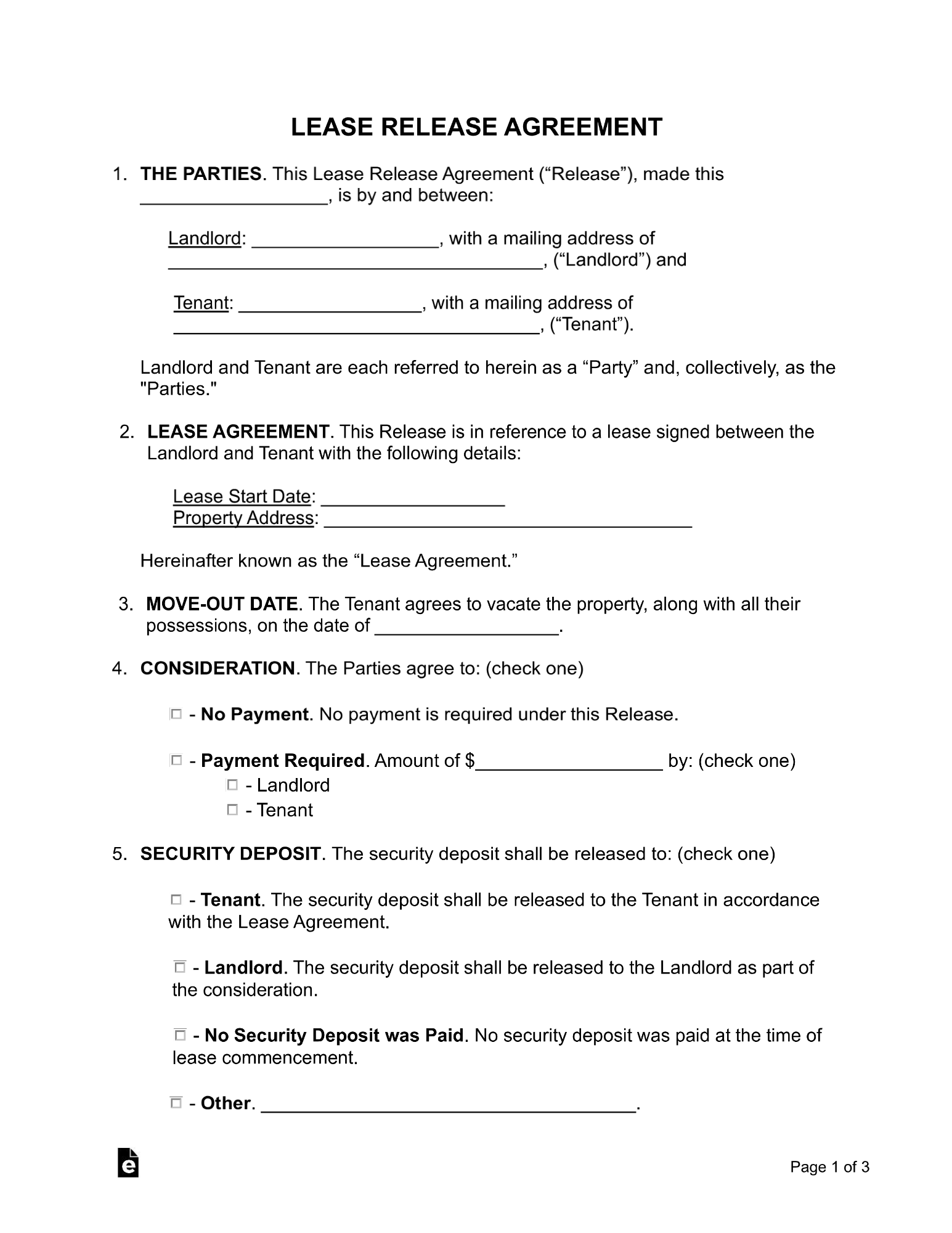
I am wondering if you can advise on my legal rights as a tenant in South Carolina. I am needing to break my lease for job relocation. There’s no clause in my lease about early termination. When I contacted my landlord, he sent a mutual release and in it it states he will keep security deposit as a penalty for termination. It also states he is listing the house for sale this week and upon closing we have 10 days to vacate. If we don’t sign, what legal rights do we have in terminating the lease? Can he keep the deposit? Does he have an obligation to fill the property, or can he leave it vacant and charge us rent through the lease term?
We told him we needed to leave solvent. Leave September 30th. And if the house sells quickly, we’d have to leave much earlier.
In South Carolina, if your fixed-term lease has no early-termination clause, a job relocation by itself generally does not give you an automatic statutory right to terminate the lease without financial responsibility. You can still move, but the lease ordinarily remains enforceable until it expires unless the landlord agrees to release you or another legal exception applies.
The important protection is that South Carolina law generally requires a landlord to mitigate damages after a tenant leaves early, and the Act states as a general rule that an aggrieved party has a duty to mitigate damages (S.C. Code § 27-40-50(a)). Under the South Carolina Residential Landlord and Tenant Act, particularly (S.C. Code § 27-40-730), the landlord cannot simply leave the property vacant and automatically demand every remaining month’s rent if reasonable steps could reduce the loss. If the unit is re-rented, your liability would generally be limited to the landlord’s actual losses rather than allowing the landlord to collect duplicate rent for the same period.
I recommend asking the landlord for a written mutual termination agreement based on the job relocation. South Carolina law allows landlords and tenants to settle a disputed claim or right by agreement (S.C. Code § 27-40-60). You could offer a firm move-out date, cooperate with showings, return the property in good condition, and, if necessary, offer a reasonable negotiated termination payment. If you can locate a qualified replacement tenant, that may substantially improve your negotiating position, although the landlord does not necessarily have to accept any particular replacement you propose.
There are separate statutory protections for certain situations, such as qualifying military orders under federal law, part of the Servicemembers Civil Relief Act, and potentially circumstances involving serious landlord violations or uninhabitable conditions. But an ordinary civilian employment transfer generally does not fall within those exceptions. Do not simply stop paying and disappear, because the landlord could pursue unpaid rent and other recoverable damages, subject to the duty to mitigate.
He sent a mutual termination agreement and in it stated he is listing the house for sale. Does that change anything?
The fact that your landlord is listing the house for sale can indeed impact the situation. If the property is sold, the new owner typically takes over the lease under the same terms unless otherwise agreed. However, if the mutual termination agreement specifies that you must vacate upon sale, this could alter your obligations.
Could you clarify if the mutual termination agreement includes any specific terms about vacating upon the sale of the property? This will help in understanding your rights and obligations better.
It states when sold, at closing we get 10 days notice to vacate.
That provision is significant. If the 10-day-after-closing provision appears only in the new mutual termination agreement and not in your original lease, you are generally not bound by it unless you sign the new agreement. The landlord cannot ordinarily add a new termination right to an existing fixed-term lease simply because he has decided to sell the property.
In other words, you have negotiating leverage. You are asking to be released effective September 30 because of the relocation, while he apparently wants the flexibility to sell the property and require you to leave sooner. If he wants that additional flexibility, I would negotiate the agreement so that you are not simultaneously giving up your security deposit as a “penalty.” The security deposit should ordinarily remain subject to South Carolina’s normal rules regarding legitimate deductions and return/accounting rather than simply being forfeited automatically.
I would propose something along these lines: you agree that the lease terminates September 30, but if the property closes earlier and the landlord requires possession within 10 days, your lease terminates on that earlier move-out date, no further rent is owed after possession is returned, and your security deposit is handled normally rather than automatically forfeited. That gives both sides something valuable.
Most importantly, do not sign the mutual release as presently drafted merely because you believe the sale itself would otherwise force you out in 10 days. Unless your existing lease already contains such a sale provision, that is a new contractual concession the landlord is asking you to make.
Disclaimer
By messaging FreeLegalAdvice.com, you agree to our Terms and have read our Privacy Policy.
The information provided on AskaLawyer.com is for general informational purposes only and does not constitute legal advice. While we strive to ensure the accuracy and timeliness of the information presented, we make no guarantees regarding its completeness or applicability to your specific circumstances.
Use of this website does not create an attorney-client relationship between you and FreeLegalAdvice.com or any of its attorneys. Communications through this website, including any responses from attorneys, are not privileged or confidential. For advice tailored to your individual situation, we recommend consulting a licensed attorney in your jurisdiction.
FreeLegalAdvice.com disclaims any liability for actions taken or not taken based on the content of this site. We are not responsible for any third-party content that may be accessed through this website. Reliance on any information provided herein is solely at your own risk.


