
 Upgrade plan
 Cancel plan
 Settings
 Change Password
 Contact Us
[CA] How can you legally remove a non-paying house guest who refuses to leave your home?
 12
 4



Full conversation
Trying to get a house guest to leave my apartment in San Marcos, CA. Have given verbal and written notice. She has been there 20 days. How can I get her out of my place?


I understand how challenging it can be to deal with a house guest who won’t leave. Have you established any formal rental agreement or terms with this guest?
No. She does not pay for rent or utilities and does not have a key.
Have you documented all communications, including the verbal and written notices you’ve provided?
Yes.
Is there anything else the Landlord-Tenant Lawyer should know before I connect you? Rest assured they’ll be able to help with your house guest issue.
No.

Hey there! Welcome to our service. I’m Ray, an attorney with many years of experience. Just so you are aware, our service is a legal information-only site. No attorney-client relationship is formed from our conversation. I understand you’re dealing with a house guest who has overstayed their welcome in your apartment in San Marcos, CA. Have you considered any formal steps to address this, like consulting local tenant rights or seeking legal aid?
Based on your situation, there are several legal arguments and considerations in California that could potentially support your case:
Trespassing: Since your guest does not pay rent or utilities and has no formal rental agreement, they may be considered a trespasser. In California, a person who enters or remains on someone else’s property without permission can be considered a trespasser.
Unlawful Detainer: If a guest refuses to leave after being asked, you might need to file an unlawful detainer lawsuit. This is a legal process used to evict someone who is unlawfully occupying a property.
Notice Requirements: Even though your guest is not a tenant, providing written notice to vacate can be important. You’ve already done this, which is a good step in documenting your efforts to have them leave.
Let’s go through some steps you can take to address it:
- Document Everything. You’ve already done a great job by documenting your communications. Keep all written notices and any responses from your guest. This documentation will be crucial if you need to take legal action.
- Understand Trespassing Laws. Since your guest doesn’t pay rent or utilities and has no formal agreement, they might be considered a trespasser under California Penal Code § 602. In California, you can ask law enforcement to remove a trespasser, but they often require clear evidence that the person is not a tenant.
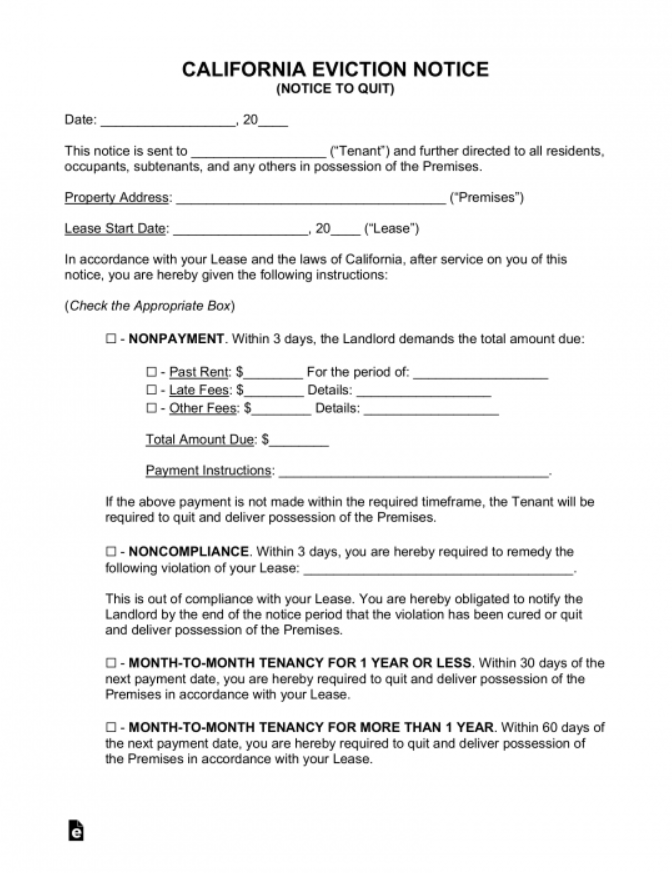
- Serve a Formal Notice. Even though you’ve given verbal and written notice, consider serving a formal notice to vacate. This can be done through a process server or certified mail to ensure it’s legally recognized. If the occupant qualifies as a lodger in an owner-occupied home, California Civil Code § 1946.5 sets out the written notice requirements, and California Penal Code § 602.3 allows removal by law enforcement once the notice period expires.
- Consult Local Tenant Laws. Check local laws in San Marcos, as they might have specific regulations about removing a guest. Sometimes, local ordinances provide additional guidance or requirements.
- File an Unlawful Detainer. If the guest refuses to leave, you may need to file an unlawful detainer lawsuit under California Code of Civil Procedure § 1161. This is a legal process to evict someone who is unlawfully occupying your property. It might be helpful to consult with a local attorney to guide you through this process.
- Seek Legal Advice. Consider consulting with a local attorney who specializes in landlord-tenant law. They can provide specific advice based on your situation and help you navigate the legal process.
Can I just leave her suitcase outside since she is not a tenant and/or a possible trespasser?
Leaving your guest’s suitcase outside might seem like a straightforward solution, but it could lead to legal complications. It’s important to handle this situation carefully to avoid any potential claims of wrongful eviction or damage to their belongings.
Disclaimer
By messaging FreeLegalAdvice.com, you agree to our Terms and have read our Privacy Policy.
The information provided on AskaLawyer.com is for general informational purposes only and does not constitute legal advice. While we strive to ensure the accuracy and timeliness of the information presented, we make no guarantees regarding its completeness or applicability to your specific circumstances.
Use of this website does not create an attorney-client relationship between you and FreeLegalAdvice.com or any of its attorneys. Communications through this website, including any responses from attorneys, are not privileged or confidential. For advice tailored to your individual situation, we recommend consulting a licensed attorney in your jurisdiction.
FreeLegalAdvice.com disclaims any liability for actions taken or not taken based on the content of this site. We are not responsible for any third-party content that may be accessed through this website. Reliance on any information provided herein is solely at your own risk.


